
 Marcus Hill
 My monthly electric bill went from $185 to $74 over six months in 2026, and I did not install solar on my roof. Instead I added plug-in solar panels (sometimes called balcony solar or guerrilla solar) to my apartment balcony. Here is exactly how I did it, what it cost, and what worked.
Plug-in solar is legal in most US states as of 2026 (verify your specific state and utility before buying). It is the cheapest, fastest way to get solar generation without a contractor.
What Plug-In Solar Actually Is
Solar panels with a micro-inverter that plugs directly into a standard 120V outlet. The micro-inverter syncs to your home’s grid frequency and pushes power back into your house. Your house consumes the solar first; any excess goes back through your meter.
It is not net-metering with utility credit. It is straight self-consumption. The savings come from offsetting your real-time usage, not from selling power back.

My Setup and Real Numbers
I have two 400W panels mounted on a south-facing balcony rail with a 600W micro-inverter. Total cost: $890 for panels, $230 for the inverter, $80 for mounting hardware = $1,200 all-in. Generates about 2.1-2.8 kWh/day depending on season. At my $0.14/kWh utility rate, that is $90-120/month in savings.
Payback period: roughly 11-13 months. After that, pure savings for the 25-year panel lifetime.
Beginner-Friendly Plug-In Solar Picks
Here are starter kits I tested or strongly considered when building my own setup.
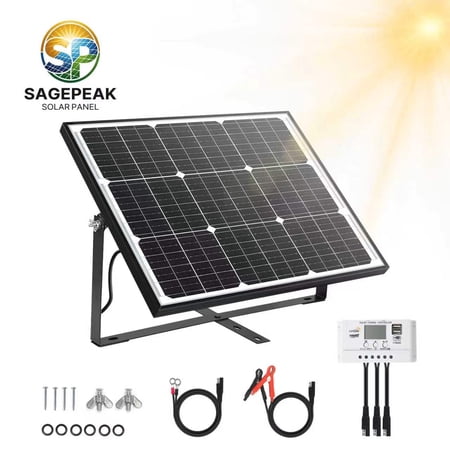
50W Solar Panel Kit, SAGEPEAK Solar Battery Charger with 12V/24V 10A PWM Controller & Adjustable Bracket, Solar Panel Charger Weatherproof for Roof, RV, Car, Boat, Motorcycle, Lawnmower, Off-Grid
Complete starter kit with panels and micro-inverter. Plug-and-play.
- ✅ Everything you need in one box
- ✅ UL-listed micro-inverter included
- ✅ Real-time monitoring app
- ⚠️ Pricier per watt than DIY
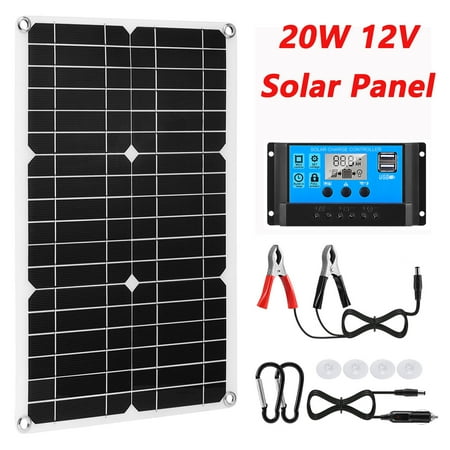
Lohoms Solar Panel Kit, 12V Battery Charger with 100A Controller, Flexible for Camping, RV, Home, Boat
Modular components for DIY builders.
- ✅ Cheaper per watt for DIY
- ✅ Customizable to your space
- ✅ Choose your own panels
- ⚠️ Requires research before buying
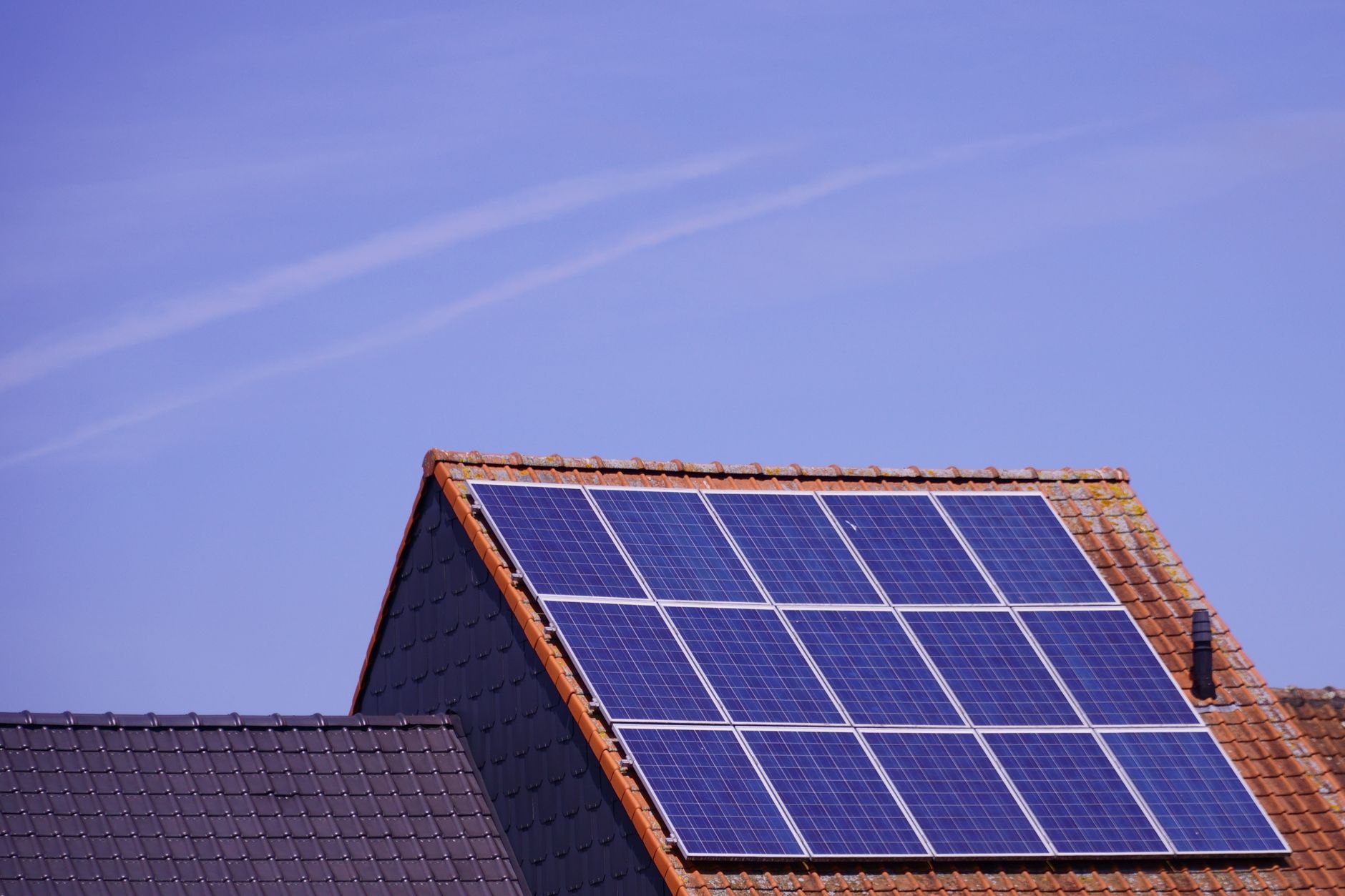
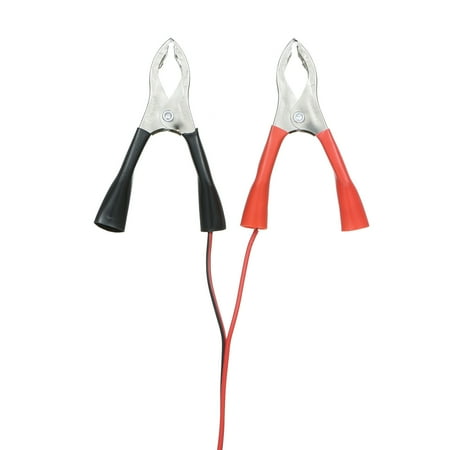
Thalyn Easy Installation Set 30W D C 12V/18V Solar Panel Kit Set with Alligator Clip/ IP65 Water Resistance for Home Indoor Outdoor Use Portable
Smaller kit for testing the concept before committing.
- ✅ Lowest cost entry point
- ✅ Smaller footprint
- ✅ Easy to relocate
- ⚠️ Limited generation capacity
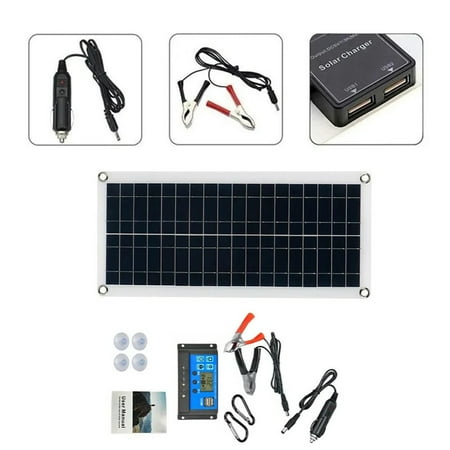
1000w-12v Solar panel kit for phone rv car for caravan home camping outdoor battery
Higher capacity kit for those with garden space.
- ✅ Larger generation capacity
- ✅ Faster payback period
- ✅ Solid build
- ⚠️ Requires real outdoor space
✅ Pros
- Payback in 1-2 years is the fastest solar ROI possible
- No contractor, no permits in most states
- Portable — take it with you if you move
⚠️ Cons
- Check your state and HOA rules before buying
- Maximum legal output limited to 600-800W in most jurisdictions
- No backup function during outages without separate battery
Frequently Asked Questions
Is plug-in solar legal?
Yes in most US states (and Europe). Verify with your specific state and utility before buying. Some HOAs restrict balcony panels.
How much can I save with plug-in solar?
Typically $50-150/month depending on your panel size, sun exposure, and utility rate. ROI is usually 1-2 years.
Do I need to tell my utility?
In most states, yes — simple notification, not application. Some allow undocumented use. Check local rules.
Does plug-in solar work during outages?
No — micro-inverters require grid frequency to operate (anti-islanding). For outage backup, add a separate battery system.
Best plug-in solar starter kit?
Bluetti AC60+B80 with portable panel, or the Schneider Conext SmartGen plug-in kit. Both are beginner-friendly.
My Final Take
Plug-in solar is the cheapest, fastest path to real electricity savings in 2026. ROI is 1-2 years for most setups. It will not power your whole house, but it will quietly knock down your bill every month. Start with a 600-800W setup; scale up if it makes sense. The savings are real.