
 Emma Wilson
 What you need before choosing a purifier
- Square footage of your largest room (length × width)
- AQI history of your area (Environment Canada or PurpleAir map)
- Asthma/allergy specifics for household members
- Existing HVAC filter rating (MERV 13+ helps a lot)
- Budget for filter replacements over 5 years (not just the unit price)
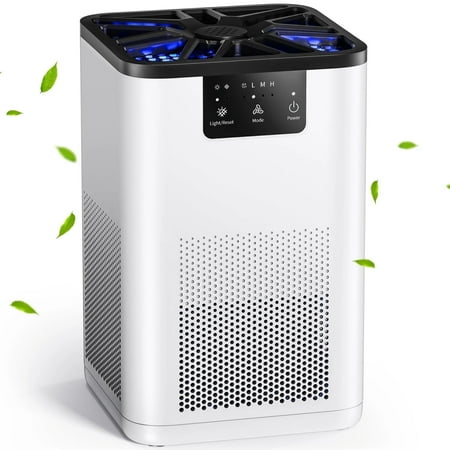
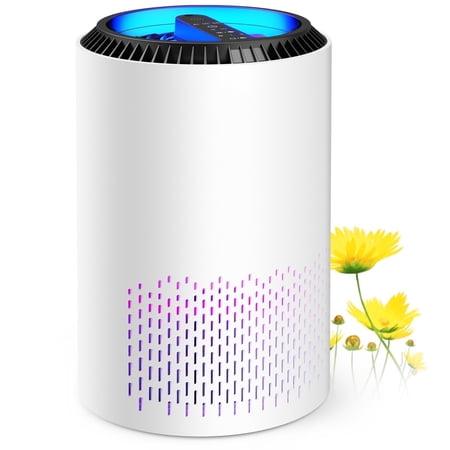
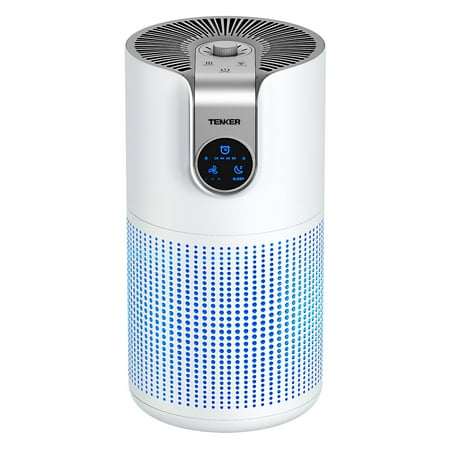
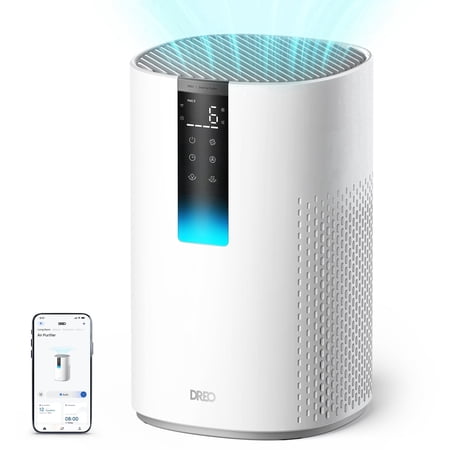
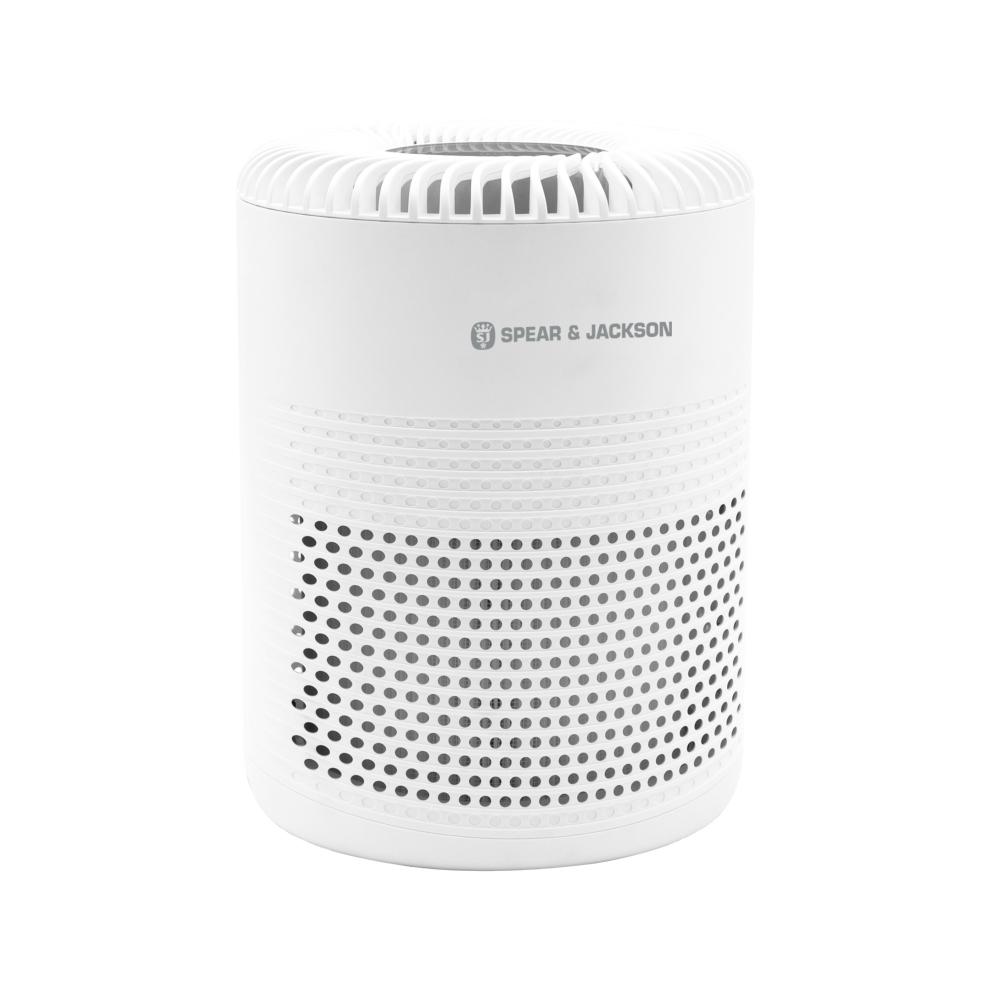
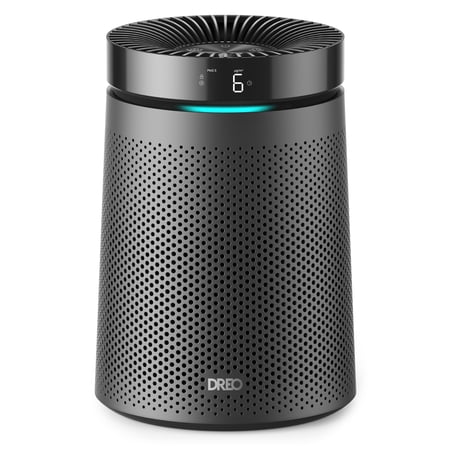
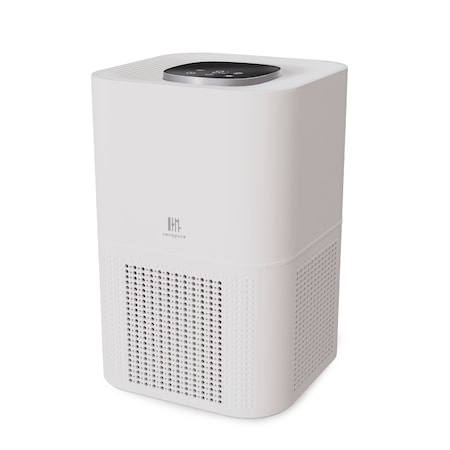
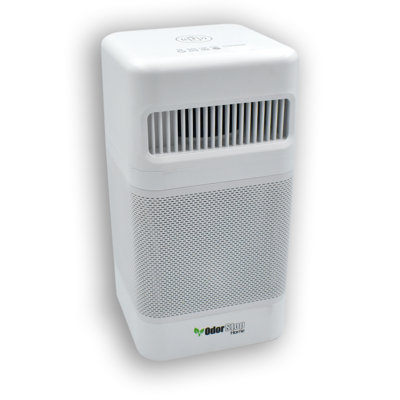
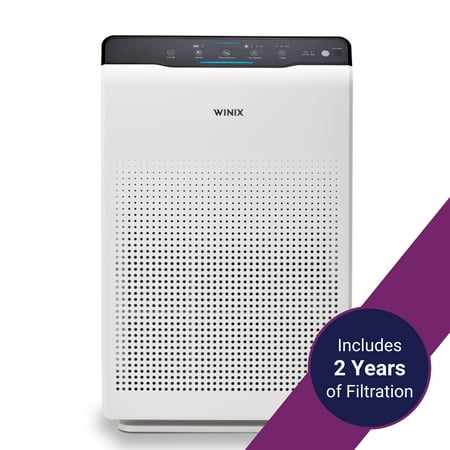
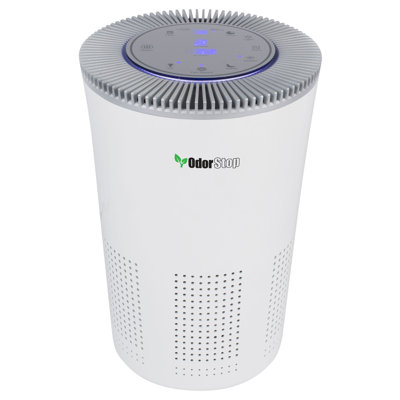
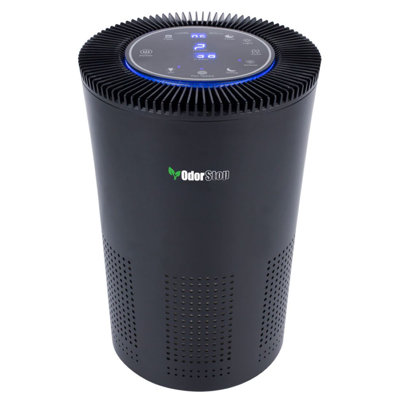
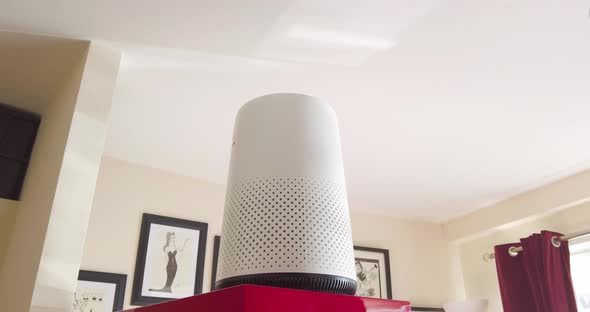
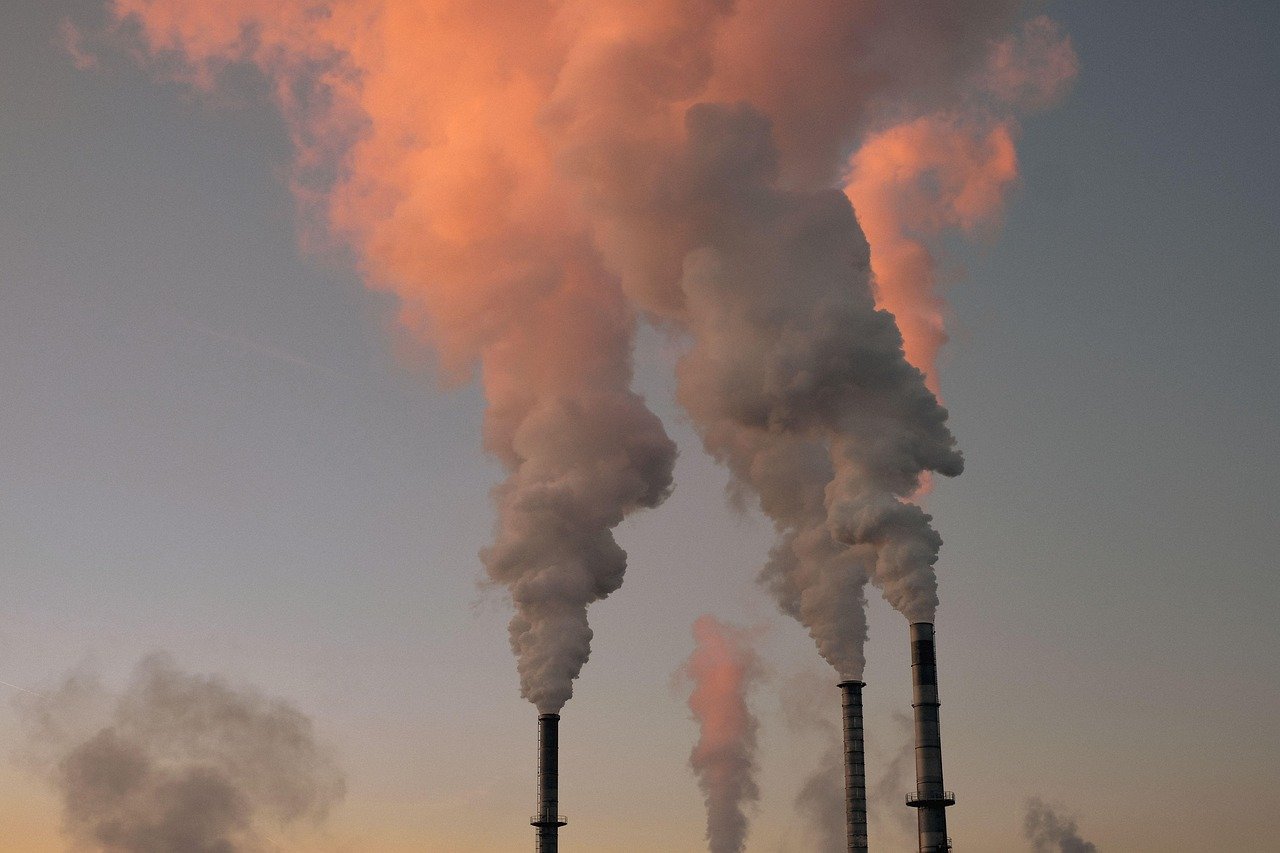
Three wildfire smoke seasons taught me the hard way: the wrong air purifier in a smoky Canadian summer is the same as no purifier at all — and the brands marketed for “allergies” often don’t actually filter the particles that matter most.
2026 Canadian wildfires are an annual event, not a freak one. Air purifiers that can handle wildfire smoke need both true HEPA AND activated carbon — most consumer-focused brands ship with carbon filters too thin to make a real difference.
This is the step-by-step process I use to pick an air purifier for a Canadian home where wildfire smoke is part of the threat model, not just pollen and dander. We’ll size by room, match the filter stack to the actual contaminants, and plan the 5-year filter cost.
How to choose a HEPA purifier for Canadian wildfire smoke
1. Measure your room and pick a target CADR
Measure the room you spend the most time in (bedroom, living room, home office). Multiply L × W to get square footage. For wildfire smoke, aim for a CADR equal to 100% of your square footage — not the usual 2/3 rule, because you want faster air exchange when smoke is dense.
For a 300 sq ft bedroom, target CADR ≥ 300. For a 600 sq ft open-plan living/dining, target CADR ≥ 600 (or buy two units).
2. Verify True HEPA and a real carbon stack
Wildfire smoke is mostly PM2.5 particles AND VOCs (volatile organic compounds). HEPA H13+ handles the particles. Activated carbon handles the smell and the chemical irritants.
Look for: minimum 2.2 lbs of activated carbon in the filter (most cheap models have 0.3-0.5 lbs). A 4-stage filter stack (pre-filter + carbon + HEPA + cold catalyst) is the wildfire-ready spec.
- True HEPA H13 or H14 (not "HEPA-type")
- Activated carbon ≥ 2 lbs
- Multi-stage filter (pre + carbon + HEPA)
- Sealed body (no air bypasses around filters)
3. Plan for the worst-air-quality days
On a smoke-heavy day, you’ll run the unit on its highest setting. This is where the unit’s loudest noise level matters. If it’s 65dB on max (jet engine), you won’t run it.
Look for: max-setting noise ≤ 55dB, with a noisier “turbo” mode you only use briefly when needed. Most premium units (Coway, Blueair) hit this; budget units don’t.
4. Place the unit where the air moves
In a bedroom: centered on one wall, not in a corner. The unit needs 360° airflow.
In a living room: between the doorway and the room’s main living area — catches air as it flows through the room.
During wildfire days: close the windows AND turn off the HVAC fan if your central system doesn’t have MERV 13+ filters — otherwise you’re circulating smoke.
5. Run the 5-year filter cost math
A wildfire-grade purifier needs filter replacements every 6–12 months. A typical 2.2 lb carbon filter costs $80-$140 in Canada (more than US pricing due to shipping).
Over 5 years, you’ll spend $400-$700 on filters alone. Check Amazon.ca for filter availability at year 3, not just year 1. Brands that orphan their filters: Dyson (high), some no-name brands. Brands with consistent availability: Coway, Blueair, IQAir, Levoit.
6. Add HVAC integration for the rest of the house
A single room purifier doesn’t protect a whole house. Upgrade your central HVAC filter to MERV 13 (the EPA recommendation for wildfire smoke).
Run the HVAC fan on “on” (not auto) during smoke events so the filter is doing constant work. A single MERV 13 upgrade is $20-$40 and protects the whole house when combined with one good room purifier.
7. Maintain it like you maintain your car
Vacuum the pre-filter every 2-3 weeks during wildfire season — doubles the HEPA filter life.
Replace HEPA every 12 months OR when the indicator light comes on, whichever is sooner.
Replace carbon every 6 months — carbon saturates faster than HEPA fills with particles.
Wipe the air intake monthly with a damp cloth.
Watch this before you buy
A short Canadian-relevant hands-on covering the same picks and trade-offs.
You can keep your indoor air healthy through fire season
The right purifier for a wildfire-prone Canadian home is sized for your largest room, runs quietly enough to use all the time, and uses a 4-stage filter stack including significant activated carbon. Anything less and you’re fighting the wrong fight.
Live Amazon.ca pricing above. Coway Airmega, Blueair Blue Pure, and IQAir HealthPro are the wildfire-grade picks. Levoit and Winix are good budget options if your smoke exposure is occasional.
SmartBuy is an Amazon Associate. Prices and availability on amazon.ca change without notice.




 Germany
  France
  Netherlands
  Canada
  United Kingdom
  United States
  Turkey
  Croatia
  Spain
Spain  Italy
Italy  India
India