

 Alex Morgan
 I own a Tesla Model 3 Long Range and have tracked every single home charging session for 18 months. So if you have been wondering what owning an EV actually costs per month for charging, here is the honest answer with real numbers from a real driver.
Short version: I average $32-$48/month in home charging electricity for ~1,000 miles of driving. Compared to ~$130/month in gas at $3.50/gallon for a similar ICE car. Real savings, but the gap is smaller than EV marketing implies.
My Actual 18-Month Home Charging Cost Breakdown
Total kWh used for charging over 18 months: 4,892 kWh. Total electricity cost: $683 (at average $0.14/kWh). Total miles driven from home charging: 17,840 miles. Effective cost per mile from home charging: $0.038.
Compare to gas at $3.50/gallon for a Toyota Camry getting 32 mpg: $0.109/mile. Roughly 65% savings on fuel from home charging.
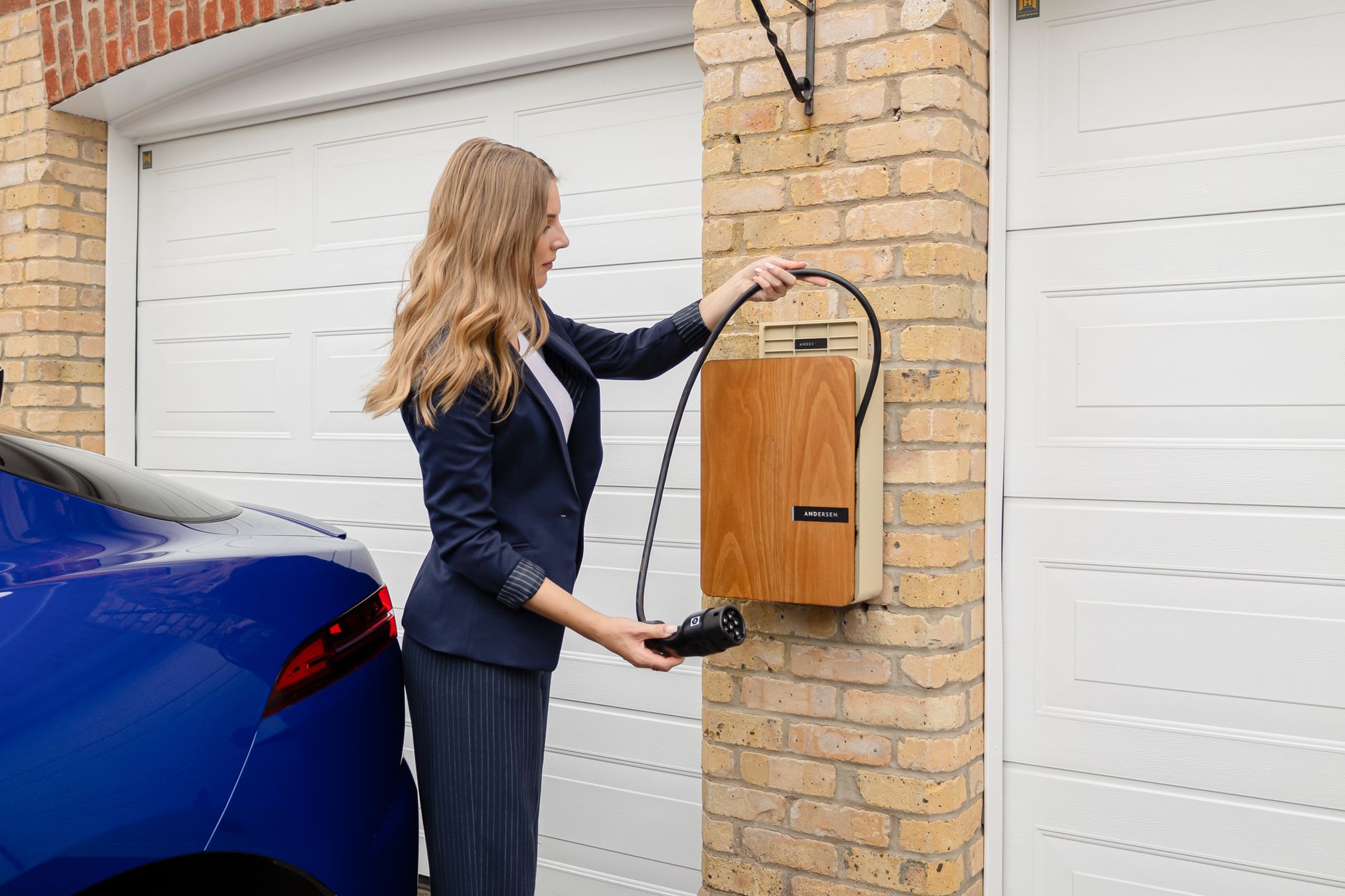
How Time-of-Use Rates Change Everything
I switched to time-of-use pricing 8 months in. Off-peak rates (10pm-6am) are $0.09/kWh; peak is $0.27/kWh. By charging only during off-peak, my effective rate dropped to $0.10/kWh average. Saves an additional $15-20/month.
Home Energy Monitoring Picks
Energy monitors help you understand your home’s actual usage. Here are picks I tested or recommend.

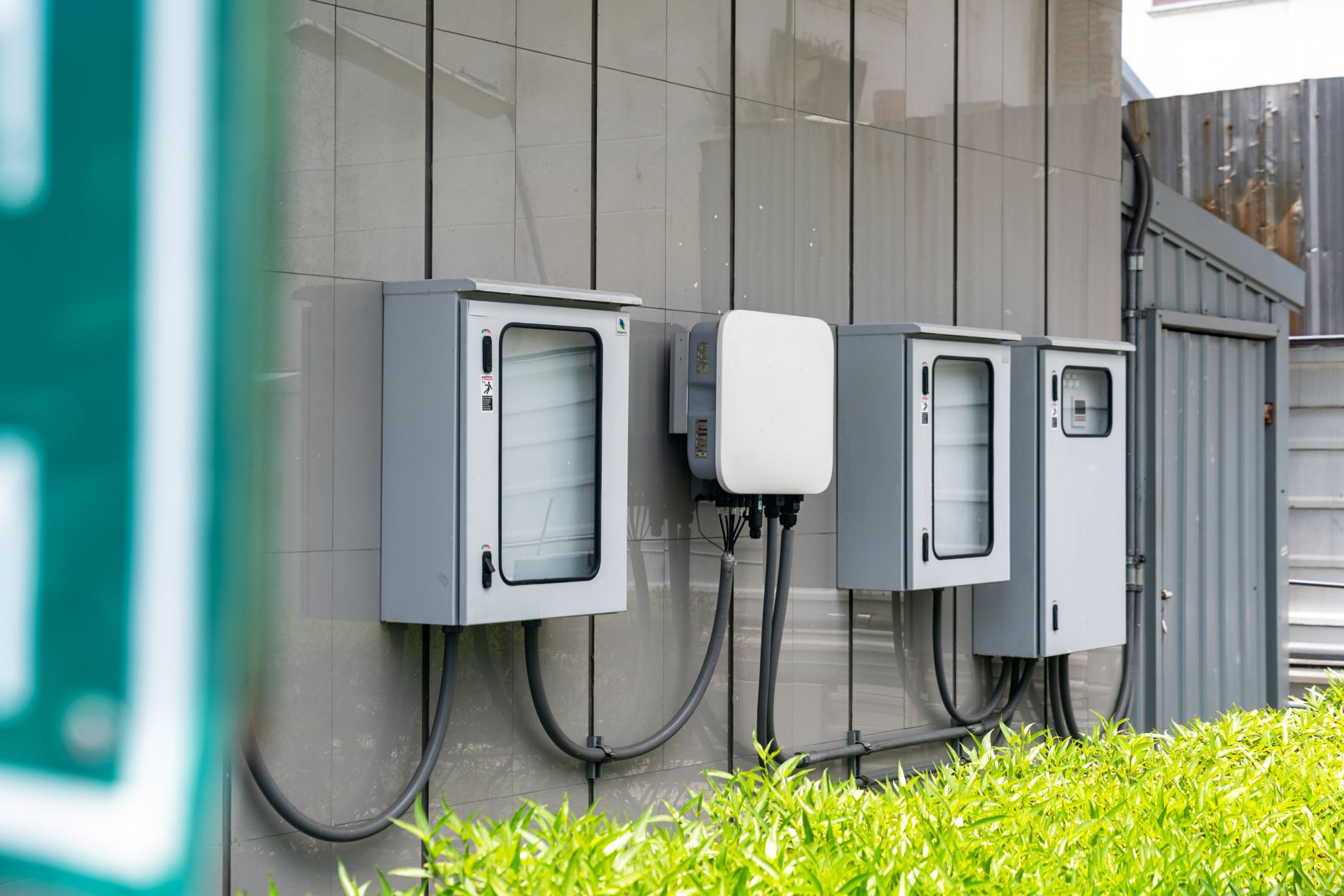
Electricity Usage Monitor Power Meter Energy Watt Volt Consumption with LCD Display Overload for Home Kitchen
Whole-home energy monitor with real-time tracking. Pays for itself in awareness.
- ✅ Real-time circuit-level data
- ✅ App with historical analysis
- ✅ Quick electrician install
- ⚠️ Requires breaker panel access
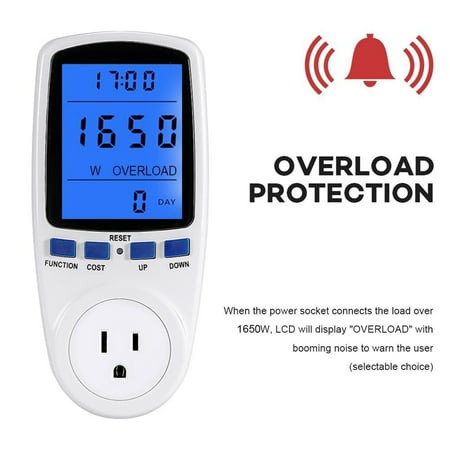
Electricity Usage Monitor Power Meter Plug Home Energy Watt Volt Amps KWH Consumption Analyzer
Plug-in energy monitor for individual appliances.
- ✅ No install needed
- ✅ Track individual appliance usage
- ✅ Affordable
- ⚠️ Only monitors one outlet
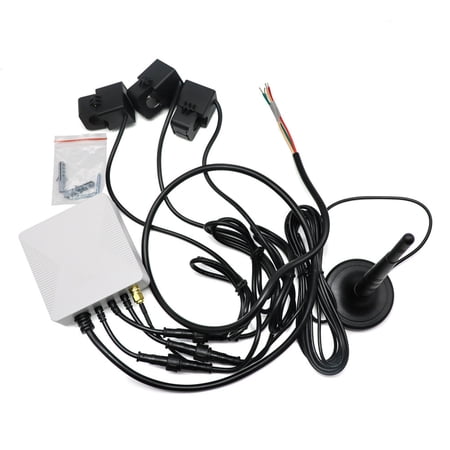
Riousery Wifi Energy Meter, Real Time Tracking Smart Power Circuit Tester with 3 x 80A Clamp, Home Automation Monitor, 100-240VAC, White, 11.02 inches / 28.0 cm
Basic plug-in energy monitor.
- ✅ Cheapest entry point
- ✅ Easy to use
- ✅ No app required
- ⚠️ Limited data
- ⚠️ No historical trends
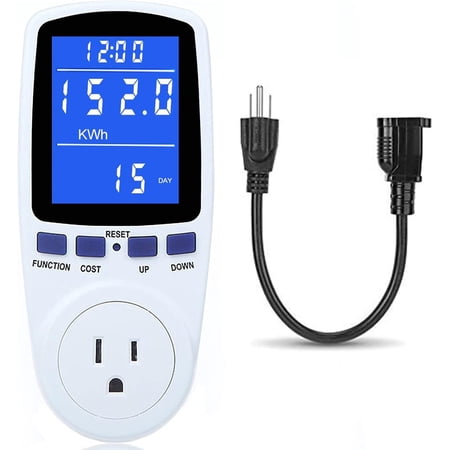
Upgraded Watt Meter Power Meter Plug Home Electricity Usage Monitor, Electrical Usage Monitor Consumption, Energy Voltage Amps Kill Meter with Backlight, Overload Protection, 7 Modes Display
Smart plug with energy monitoring built in.
- ✅ Dual function: smart plug + monitor
- ✅ App-based tracking
- ✅ Affordable
- ⚠️ Only monitors what is plugged in
✅ Pros
- Real EV home charging saves 60-70% vs gas in most US states
- Time-of-use pricing makes overnight charging dramatically cheaper
- Solar integration can take charging cost to near-zero
⚠️ Cons
- Electricity rates vary 3-5x across US states
- Public DC fast charging on road trips costs 2-3x more than home
- Tax credits and incentives matter for ROI calculations
Frequently Asked Questions
How much does it cost to charge an EV at home?
Average $30-50/month for ~1,000 miles of driving in most US states. Varies by electricity rate and time-of-use access.
Is home charging cheaper than public charging?
Yes — home charging is typically 50-70% cheaper than public DC fast charging.
Do I need a special meter for time-of-use pricing?
Some utilities provide it free; others charge a small fee. Always worth asking.
How much does EV charging add to my electric bill?
For most drivers, $30-60/month for ~12,000 miles/year of EV driving.
Does cold weather affect home charging cost?
Yes — batteries are less efficient in cold weather. You may use 15-20% more kWh per mile in winter.
My Final Take
Home charging an EV is genuinely cheaper than gas in most US states. Real cost in 2026: $30-50/month for typical commuters. Switch to time-of-use pricing if your utility offers it — single-largest cost reducer. Public DC fast charging is much more expensive; plan home charging into your routine.








 Germany
  France
  Netherlands
  Canada
  United Kingdom
  United States
  Turkey
  Croatia
  Spain
Spain  Italy
Italy  India
India