
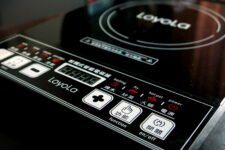
 admin
admin During the last gas cylinder shortage, the families who had a backup induction cooktop kept eating warm meals while everyone else queued at the gas distributor — and the right cooktop is cheap insurance for any Indian kitchen.
Induction cooktops in India are no longer just emergency backup — they’re becoming primary cooking surfaces in modern apartments. The 2026 generation handles Indian utensils (tava, kadhai, pressure cooker) properly with the right base.
This guide is a deep-dive on choosing an induction cooktop for Indian cooking conditions — wattage and voltage stability, utensil compatibility (especially the legacy aluminum cookware many homes have), and the safety features that matter when power fluctuates.
Our Top Picks
How induction works and why utensils matter
Induction heats the cooking vessel directly via magnetic field, not by heating the cooktop. This makes it fast and efficient — but only if your utensils respond to magnets.
The magnet test
Pick up your pan. If a fridge magnet sticks to the bottom — induction-compatible. If not — you need new pans or an interface disc.
What works
Cast iron, stainless steel with magnetic base, enameled iron, modern induction-ready non-stick. Most Indian-made stainless steel kadhais and tavas work — newer ones especially.
What doesn’t work
Aluminum (most old Indian utensils), copper, glass, ceramic. Your beloved mother-in-law’s aluminum cooker won’t work directly — you’ll need an interface disc.
Wattage and voltage stability for Indian conditions
2000W vs 2200W
Most Indian induction cooktops are 2000W. 2200W cooks faster but draws more current — may trip older home circuits. 1800W is sufficient for daily Indian cooking; 2200W is for serious users.
Voltage stabilization
Indian power supply varies. Look for cooktops with 170-270V working range. Cheap models cap at 220-240V and fail during the voltage drops common in monsoon season.
Surge protection
Critical in areas with unstable power. Built-in surge protection adds ₹500-1000 to the price and saves a ₹4000 cooktop from a single power spike.
Single-zone, double-zone, or built-in
Single-zone portable
₹1500-3000. Fits anywhere. Best for: backup, students, single-burner needs. Most popular in Indian homes.
Double-zone portable
₹4000-7000. Two cooking surfaces. Best for: replacing one of two gas burners during cylinder shortage.
Built-in induction hob
₹15,000-50,000. 2-4 zones, looks great in modular kitchens. Best for: new kitchens being designed around induction. Requires electrician installation.
Safety features (more important in India than the West)
Indian kitchens are often crowded, kids run through, and power supply is unreliable. Safety features that seem optional elsewhere are essential here.
Auto-off when pan removed
Cuts power within 30 seconds if you lift the pan. Saves electricity and prevents accidents.
Child lock
Press-and-hold to disable controls. Essential if curious children are in the kitchen.
Overheating cutoff
Built-in temperature sensor. Cuts power if pan exceeds safe temperature — protects against forgotten pans.
Voltage surge cutoff
Disconnects during power spike. Indian-spec models include this; many imports don’t.
Cost of running — vs gas
Quick economics: induction is cheaper per meal than LPG at most Indian electricity rates.
Typical cost per meal
Induction at average Indian electricity rates (₹7/kWh): ₹1.50-2.00 per typical meal. LPG (₹900 cylinder, lasting 60 meals): ₹15 per meal. Induction is 7-10x cheaper.
Caveats
For families where the cook prefers gas’ visual flame control and immediate response, the cost difference may not matter. For pure economics, induction wins.
Brands worth your money in 2026
Indian value picks
Bajaj, Prestige, Pigeon, Inalsa, Havells. ₹1500-5000 range. Available service centers across India. Replacement parts easy to find.
Premium picks
Philips, Wonderchef, Usha Infinity. ₹6000-15,000 range. Better build, longer warranty (3+ years), better surge protection.
Built-in premium
Bosch, Whirlpool, Siemens for full-kitchen integration. ₹20,000-80,000. Worth it for new kitchens; not retrofitting old ones.
Watch this before you buy
A short hands-on video covering the same picks and trade-offs for the Indian market.
Start with a single-zone backup, upgrade as you trust it
Most Indian families do well to start with a ₹2500-4000 single-zone portable as a backup to gas, then upgrade to a double-zone or built-in once they’re comfortable with induction cooking. Live Amazon.in pricing in the table above.
As an Amazon Associate, SmartBuy earns from qualifying purchases on Amazon.in at no extra cost to you.





 Germany
  France
  Netherlands
  Canada
  United Kingdom
  United States
  Turkey
  Croatia
  Spain
Spain  Italy
Italy  India
India