

 Alex Morgan
 I am a recreational marathon runner with a wife who is a triathlon coach, so wearable accuracy debates happen at our dinner table. We both ran the Whoop 5.0 and Oura Ring 4 simultaneously for 12 weeks of structured training. Below: which one actually helps you train smarter.
This is not a generic ‘best wearable’ piece. It is specifically about which device makes a real difference if you are training for performance.
How We Tested for Athletic Use
Identical training plans, both devices worn 24/7. We tracked: recovery score accuracy (correlated with how we actually felt the next morning), HRV trends matching training load, strain/exertion scoring during runs, and which one predicted overreaching before we hit it.

The Athlete Verdict
Whoop 5.0 won for serious athletes. Its strain-and-recovery model is purpose-built for training periodization, and the long-term trend analysis is the best in the category. The journal feature for logging behaviors (sleep quality, alcohol, caffeine) gives you correlations Oura cannot match.
Oura Ring 4 won for general health and sleep. More accurate sleep stages, more comfortable to wear, better app polish. For pure performance training, less informative.
Recovery Gear That Pairs Well With Wearable Data
Wearable data is only useful if you act on it. When my recovery score dropped, I used these tools to bounce back faster. Tested across the 12-week block.
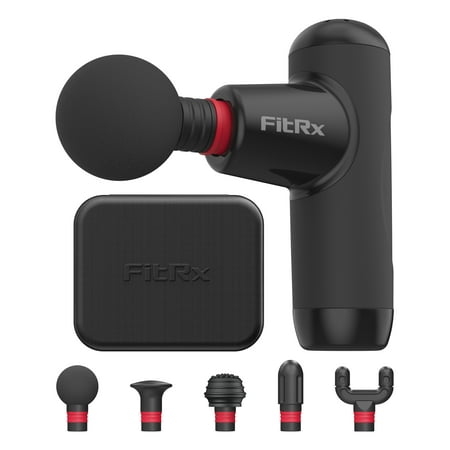
FitRx Mini Pro Neck and Back Massager, Handheld Deep Tissue Muscle Massage Gun
Quality massage gun that lasts. I use mine 3x a week post-long-runs.
- ✅ Quiet enough to use during TV
- ✅ 6+ hour battery
- ✅ Multiple attachments included
- ⚠️ Heavier than budget picks
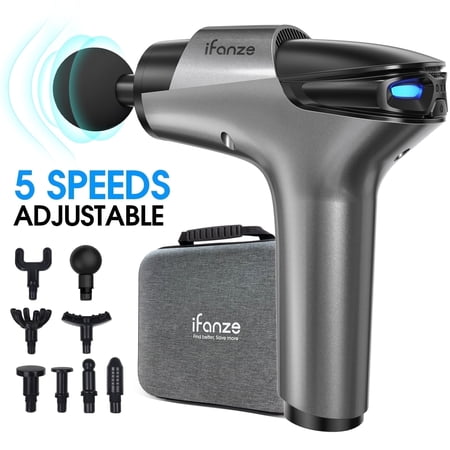
Massage Gun Deep Tissue, 5 Speeds Quiet Percussion Handheld Electric Muscle Massager with 8 Replacement Heads for Gym Office Home Post-Workout Recovery, Gray
Smaller, lighter, slightly less powerful. Great travel pick.
- ✅ Travel-friendly weight
- ✅ USB-C charging
- ✅ Decent battery
- ⚠️ Less powerful percussion

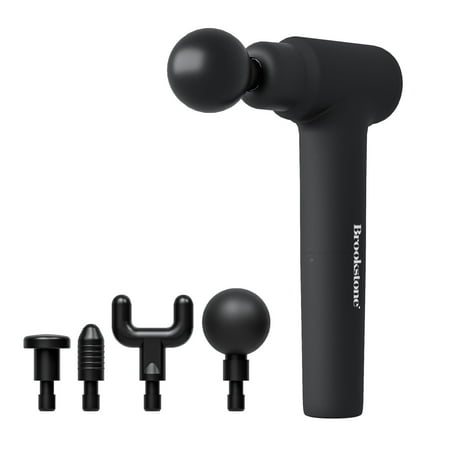
Brookstone Deep Tissue Massage Gun for Pain Relief & Muscle Recovery – 9-Speed Handheld Percussion Massager, 4 Heads, Type-C Rechargeable, Quiet, 3200 RPM, Shockproof Design
You can get a usable massage gun under $40.
- ✅ Affordable entry price
- ✅ Lightweight
- ✅ Easy to use
- ⚠️ Shorter battery life
- ⚠️ Louder operation
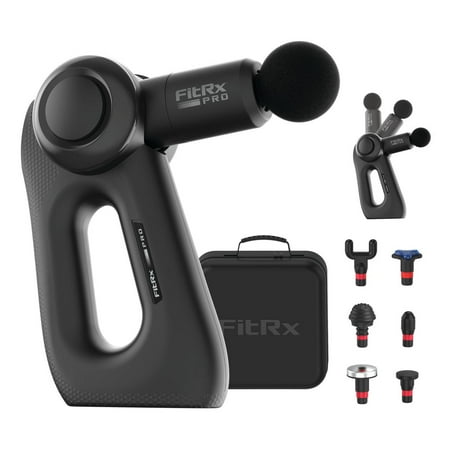
FitRx Pro Neck and Back Massager, Handheld Percussion Massage Gun with Multiple Angles, Speeds and Attachments
Foam roller. Old school, but still effective and cheap.
- ✅ Cheap and durable
- ✅ Targets larger muscle groups
- ✅ Easy to pack for travel
- ⚠️ More effort than a massage gun
✅ Pros
- Whoop's training periodization model is genuinely useful for performance athletes
- Oura's sleep accuracy is best in the category
- Both devices help you spot overreaching before injury
⚠️ Cons
- Whoop's subscription is mandatory ($30/month) — ouch
- Strap-style devices like Whoop chafe in long-distance training
- Wearable advice should not replace coach judgment
Frequently Asked Questions
Whoop or Oura for marathon training?
Whoop for the training periodization features. Oura for sleep accuracy. Many athletes wear both.
Is Whoop worth $30/month?
For performance athletes, yes. For general health monitoring, Oura or RingConn is better value.
How does Whoop calculate strain?
Strain is based on continuous heart rate elevation throughout the day. It includes workout strain plus all non-workout cardiovascular load.
Can wearables prevent injury?
They can flag patterns (HRV decline, poor sleep) that correlate with injury risk. They cannot prevent injury alone — listen to your body.
Best smartwatch alternative for athletes?
Garmin Forerunner 965 or Coros Pace 3 if you want a watch. Whoop or Oura if you want a less obtrusive wearable.
My Final Pick
For serious athletes: Whoop 5.0. For general health-conscious people who also work out: Oura Ring 4. The Whoop subscription is annoying but the training insight is real. Whichever you pick, the wearable is only useful if you act on the data — a $30 massage gun used regularly beats a $300 wearable that just records.






 Germany
  France
  Netherlands
  Canada
  United Kingdom
  United States
  Turkey
  Croatia
  Spain
Spain  Italy
Italy  India
India