
 admin
admin What you actually need before your first outing
- A clear lake-ice condition report (call local outfitters or check provincial reports)
- Proper layered clothing (base + mid + insulated outer + waterproof shell)
- Insulated boots rated to -40°C, with traction studs or cleats
- Ice picks worn around the neck (mandatory — not optional)
- A buddy or a check-in plan with someone who knows your location
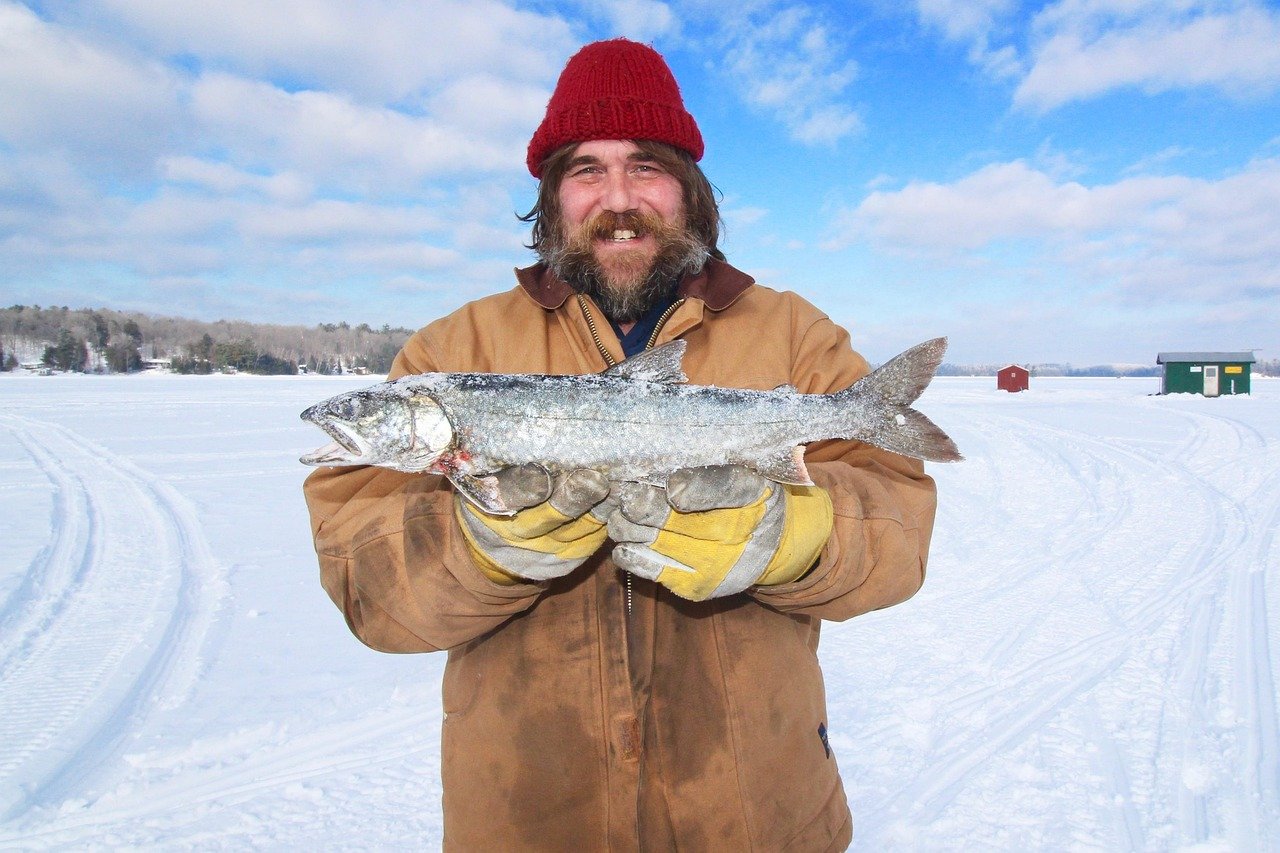
Ice fishing went from “the cheap version of fishing” to a high-tech sport with $4,000 setups in about a decade — but you can still catch a limit of perch with $300 of well-chosen gear, if you pick the right $300.
The 2026 ice fishing gear cascade has put serious technology in beginner-friendly price tiers. Lithium-powered augers, flasher sonar, and pop-up shelters that genuinely survive wind — these used to be expert-tier and are now $200–$400 each.
This is the step-by-step process I use to get a beginner outfitted for ice fishing in Canada — the gear that actually matters, the gear you can borrow or skip first season, and the safety protocols nobody talks about until they’ve fallen through ice once.
How to get into ice fishing safely — my step-by-step gear and safety plan
1. Verify the ice before you walk on it
Don’t trust the lake — trust an ice auger and a tape measure. Drill a test hole 50 feet from shore. 10 cm of clear blue ice = walking safe. 20 cm = ATV. 30 cm = small truck.
Cloudy white ice is half as strong as clear blue. Snow-covered ice can mask thin spots. Never trust unverified ice.
- 4" (10 cm) clear blue: walking only
- 6" (15 cm): single snowmobile
- 8" (20 cm): small ATV
- 12" (30 cm): small truck or shelter on ice
2. Layer for the temperature you’ll get, not the forecast
Base layer: synthetic or merino wool (no cotton, ever). Mid layer: fleece or wool. Outer: insulated bibs and parka rated to -30°C. Shell: waterproof, breathable.
You’ll sit still for hours — your body temperature drops. Dress for 10°C colder than the forecast.
3. Pick an auger that matches the ice thickness you expect
Hand auger ($60-$150): fine for early-season ice under 12″. Slow but lightweight.
Lithium battery auger ($350-$600): 30-60 holes per charge, drills 12-30″ easily. The major 2026 upgrade.
Gas auger ($400-$800): old-school, reliable, smelly. Less popular as lithium has improved.
4. Add a flasher or compact sonar (the actual force multiplier)
Without a flasher, you’re guessing where the fish are. With one, you see the fish and watch them react to your lure.
Entry-level flashers (Vexilar, Garmin Striker) are $250-$400 and last 10+ years. Premium units add side-imaging and live mapping.
5. Choose a shelter for the wind, not the temperature
Pop-up shelters (Eskimo, Frabill): 5-minute setup, easy to move, 1-3 people. The 2026 generation is dramatically better at wind resistance.
Flip-over shelters (Otter, Clam): faster to deploy on a sled, mostly for solo fishing.
Hub-style: tall, lots of room, but bigger investment.
6. Stock the right rods, line, and lures
Ice rods are 24-36″ — different action than open-water rods. A medium-light spinning combo handles perch, walleye, crappie.
Fluorocarbon leader (4-6 lb test) is invisible in clear cold water and handles fish strikes better than mono in extreme cold.
Tip-ups for set lines (passive fishing while you actively jig another rod): a $20 investment that triples your strike chances.
7. Build a safety checklist you actually follow
Ice picks around your neck — not in a pocket. Useless if you can’t reach them.
Tell someone where you’re going and when you’ll be back. Check in when you leave.
Carry an emergency whistle and a small thermos of hot water (treats hypothermia onset).
Don’t drink alcohol on the ice. Cold + alcohol = bad decisions and faster hypothermia.
Know the signs of hypothermia and frostbite — stop and warm up immediately if you feel them.
Watch this before you buy
A short Canadian-relevant hands-on covering the same picks and trade-offs.
You can do this safely — and have one of the best winter Saturdays of your life
Ice fishing isn’t about expensive gear — it’s about safe ice, the right layers, and being patient enough to learn the rhythms of cold water. Start with a hand auger, a basic flasher, and a buddy who’s done it before. Upgrade as you fall in love with it.
Live Amazon.ca pricing above. The pre-season (November) and post-season (March) clearances are the best times to buy. Watch Frabill, Eskimo, Vexilar, and Otter for the biggest discounts.
SmartBuy is an Amazon Associate. Prices and availability on amazon.ca change without notice.




 Germany
  France
  Netherlands
  Canada
  United Kingdom
  United States
  Turkey
  Croatia
  Spain
Spain  Italy
Italy  India
India