
 admin
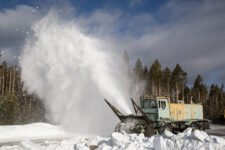
admin The morning after a 30 cm dump, the difference between a working snow blower and a shovel is the difference between getting to work and calling in sick — and the wrong machine is barely better than no machine.
Choosing a snow blower in Canada is really about driveway type and snow type. A single-stage works fine for short paved drives with dry snow; a two-stage is non-negotiable for long driveways, gravel, or the wet end-of-storm sludge that breaks single-stage paddles.
This guide ranks 2026 snow blowers by driveway length and snow characteristics. We’ll cover engine sizing, the auger vs impeller decision, electric start vs pull-cord, and which models have the parts availability you’ll need in year five.
Our Top Picks

What I look for in this category
Match the blower to the driveway, not the brand. Single-stage for under 60 ft paved. Two-stage for 60-120 ft or any gravel. Three-stage for long rural driveways or commercial-grade work.
Engine displacement matters more than horsepower numbers. Aim for 200cc+ on a two-stage blower. Smaller engines bog down in heavy wet snow, especially at the end-of-driveway plow ridge that the city snowplow leaves you.
Electric start is worth every dollar. Pulling a cold-soaked recoil at 6am in -20°C is the worst part of snow blower ownership. Electric start (battery or 120V plug-in) eliminates it.
Watch chute control reach. A heated-grip steering wheel might be a gimmick, but a remote chute control (rotation AND deflector from the handlebars) means you never reach down to adjust during a 45-minute clearing.
Quick buying checklist
Look for
- Two-stage with 200cc+ engine for serious snow
- Electric start (battery or 120V outlet)
- Power steering or trigger-release for turning
- Remote chute rotation AND deflector control
- Heated grips (genuinely useful in -20°C+)
- Skid shoes that survive concrete (steel-plate not stamped)
Watch out for
- Single-stage on long or gravel driveways
- Under 200cc engine for two-stage models
- Plastic auger blades on midrange models
- Chute that only rotates manually with a crank
- Pull-cord start as the only option
- Replacement parts unavailable after year 3
Watch this before you buy
A short Canadian-relevant hands-on covering the same picks and trade-offs.
FAQ
Single-stage if your driveway is under 60 ft, paved, and you mostly get under 25 cm storms. Two-stage for anything else — it handles the heavy slush, plow ridges, and gravel surfaces.
Gas for serious Canadian winters — the runtime and power are real. Battery is fine for short urban driveways with light snow. Corded electric for paved walkways under 30 ft, period.
24-26 inches is the sweet spot for residential. 28-30 inches is for long rural driveways. Wider isn’t always better — storage matters too.
15-20 years if you maintain it (oil change, fresh fuel, garage storage). The engine outlives the auger gears typically. Plan to replace shear pins yearly.
For 30-minute clearings in -10°C, no. For 60+ minute clearings in -20°C, absolutely yes. They drain a small amount of battery on electric models.
Honda makes the most reliable engines but charges a premium. Toro and Cub Cadet are the value picks with broad parts availability. Store brands are often re-badged Cub Cadet or MTD — fine, but check the specific specs.
Final Thoughts
Buy more snow blower than you think you need. The clearing time and the bogging-down failures of an underpowered machine become exhausting fast. A two-stage with electric start and remote chute control is the no-regrets choice for any Canadian driveway over 60 ft.
Live Amazon.ca pricing above. October pre-season discounts are routinely 15-25% off retail. April clearance is sometimes 30%+ off but stock disappears fast.
SmartBuy is an Amazon Associate. Prices and availability on amazon.ca change without notice.






 Germany
  France
  Netherlands
  Canada
  United Kingdom
  United States
  Turkey
  Croatia
  Spain
Spain  Italy
Italy  India
India