
 Marcus Hill
 You do not need a $30,000 contractor install to start generating solar power. In 2026 you can build a real DIY solar setup for under $1,000 that delivers 2-4kWh/day. I built one for my shed this past spring. Here is exactly what it cost and what it powers.
This is for people who want to learn solar by doing, not pay someone to do it for them. The savings are real but the build takes a weekend.
My $890 DIY Solar Build
2x 200W rigid panels: $260. 30A MPPT charge controller: $90. 1x 100Ah LiFePO4 battery: $280. 1000W pure sine wave inverter: $180. Cables, breakers, mounting hardware: $80. Total: $890.
Output: 1.5-2.5 kWh/day depending on season. Powers my shed lights, a small fridge, charging stations, and an outdoor coffee setup. ROI: roughly 18 months at my electricity rates.

What You Need to Know Before Building
DC wiring is unforgiving. Solar panel output is always live in daylight — you cannot ‘turn off’ a panel like a battery. Use breakers and fuses correctly. Watch a YouTube tutorial specific to your charge controller before connecting anything.
Essential DIY Solar Components
Here are the components I bought (or strongly recommend) for a DIY solar build.
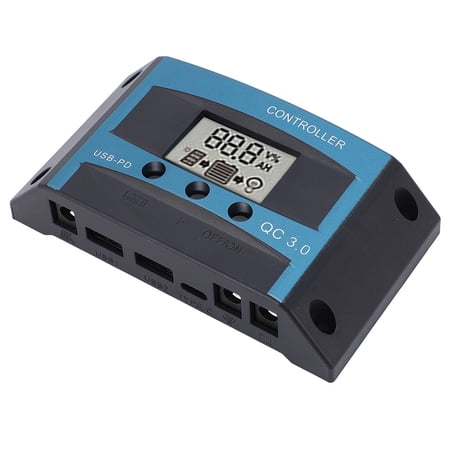
M Buder Solar Charge Controller MPPT 12V/24V Adaptive Intelligent Regulator with Dual USB Ports, LCD Display, Multi-Protection, Energy Efficient Renewable Power Management System for Home RV (30A)
30A MPPT charge controller. Higher efficiency than PWM controllers.
- ✅ 30A capacity handles 400-500W panel input
- ✅ MPPT 30% more efficient than PWM
- ✅ LCD display shows real-time stats
- ⚠️ Pricier than PWM

M Buder Solar Charge Controller 30A 12V/24V Auto Dual USB Port PWM MPPT Battery Regulator with LCD Display Backlight Circuit Protection Aluminum Alloy Renewable Energy Equipment
40A version for larger panel arrays.
- ✅ Future-proof for expansion
- ✅ Same MPPT efficiency
- ✅ Solid build
- ⚠️ Slightly more expensive
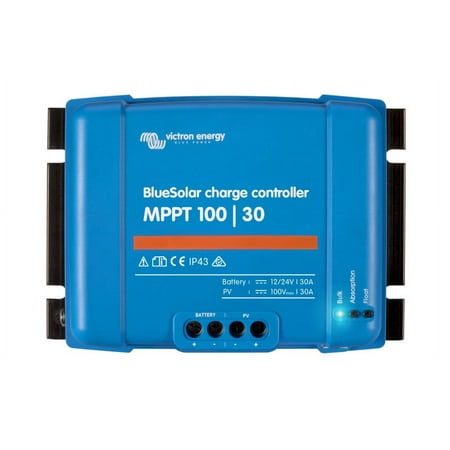
Victron BlueSolar MPPT 100/30 | 30 Amp Solar Charge Controller
Entry-level PWM controller for very basic setups.
- ✅ Lowest cost charge controller
- ✅ Easy to wire
- ✅ Sufficient for small panels
- ⚠️ Less efficient than MPPT
- ⚠️ No fancy display
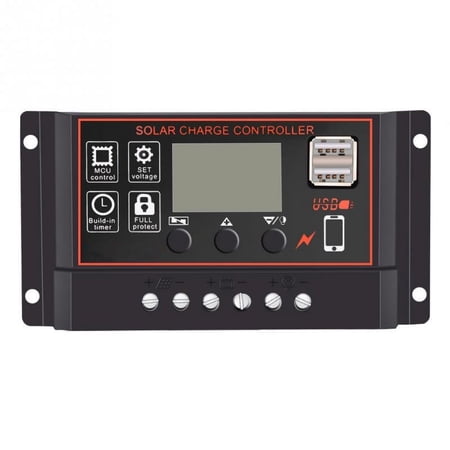
Mppt Solar Charge Controller With USB ,Stable & Reliable – 30A_E
60A controller for larger systems.
- ✅ Handles larger panel arrays
- ✅ Future-proof
- ✅ Solid build quality
- ⚠️ Premium price
✅ Pros
- DIY solar costs 50-70% less than turnkey systems
- You learn how the system works — troubleshooting becomes possible
- Modular: easy to expand panels or batteries later
⚠️ Cons
- No warranty on assembled system
- DC wiring mistakes can damage components
- Permits required in some jurisdictions even for DIY
Frequently Asked Questions
Is DIY solar really safe?
Yes if you follow basic electrical practices: fuses, breakers, correct wire gauge, and grounding. Read a tutorial specific to your components first.
Best cheap DIY solar setup?
Two 200W panels, 30A MPPT controller, 100Ah LiFePO4 battery, 1000W pure sine inverter. Total: ~$900.
Can DIY solar power a small house?
Not at $900. For whole-home use, plan for $3,000-6,000 DIY or $15,000-30,000 contractor install.
Do I need permits for DIY solar?
For off-grid sheds/cabins: usually no. For grid-tied systems: yes, plus utility approval.
How long do DIY solar systems last?
Panels: 25-30 years. LiFePO4 batteries: 10-15 years. Charge controllers: 10+ years. Inverters: 7-15 years.
My Final Take
DIY solar in 2026 is genuinely accessible. For $890 you can build a real system that pays for itself in 18 months. Start with a shed or off-grid project before tackling grid-tied home solar. Watch YouTube tutorials matched to your specific components — not generic ones. The savings and learning are both real.







 Germany
  France
  Netherlands
  Canada
  United Kingdom
  United States
  Turkey
  Croatia
  Spain
Spain  Italy
Italy  India
India