
 admin
admin What to have on hand before buying
- A rough measurement of your largest room (length × width in feet, plus ceiling height)
- A list of what you’re actually trying to filter (pollen, dust, pet dander, smoke, VOCs)
- Your monthly electricity cost per kWh — affects total cost of ownership
- A floor outlet location plan (purifiers need 360° airflow, not corners)
- Your tolerance for noise (run-quiet during sleep, or run-loud during dust season?)

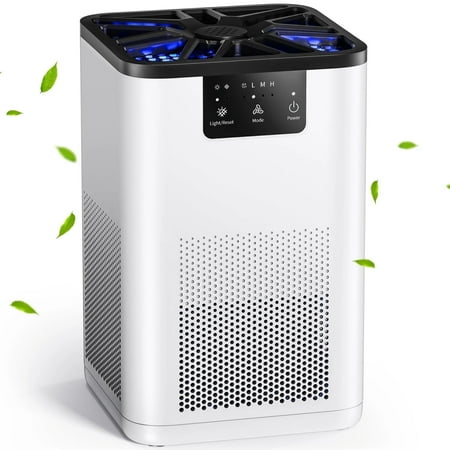
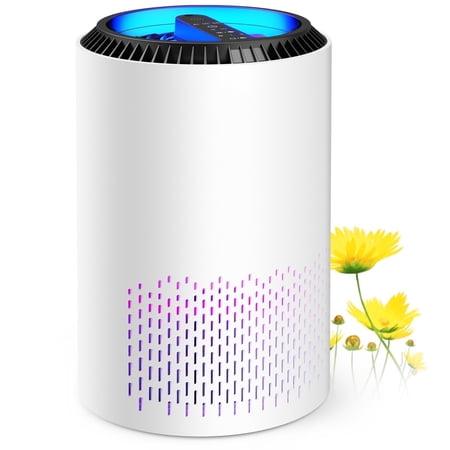
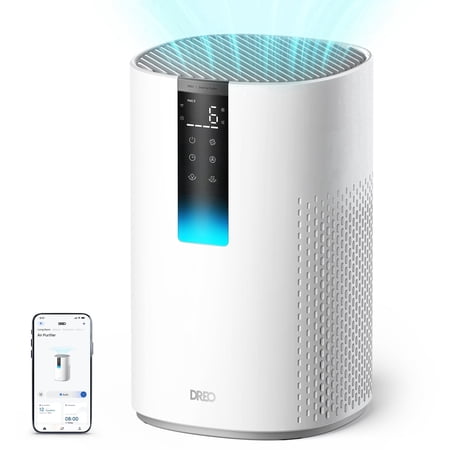



My kid’s spring allergies turned into asthma flare-ups every March until we got serious about air filtration — and the wrong purifier in the wrong room is the same as no purifier at all.
An air purifier the wrong size for your room is genuinely useless. A premium $500 unit set to clean a 1,200 sq ft living room from one corner pulls less effective air per hour than a properly-sized $150 unit — and the spec sheets don’t make this obvious.
This is the step-by-step process I use to pick an air purifier for a specific room and a specific allergy or air-quality problem. We’ll cover CADR math, room sizing, filter staging, placement, and the long-term filter replacement costs that determine whether the unit is worth keeping.
How to choose an air purifier for allergies — my step-by-step process
1. Measure the room you’re targeting
Walk into the room with a tape measure. Note length, width, and ceiling height. Multiply L × W to get square footage. Open-plan kitchen/living/dining counts as one room — add them all together.
Many people buy a purifier rated for their bedroom and place it in their open-plan living room. The unit is then sized for 200 sq ft of air and trying to clean 800. It loses.
- Standard ceiling: 8 feet
- Cathedral ceiling: 12–15 feet (multiply room area by 1.5)
- Open floor plan: measure the entire connected space
2. Calculate the CADR you actually need
CADR (Clean Air Delivery Rate) is the only number that matters. AHAM’s 2/3 rule: the CADR for smoke or dust should be at least 2/3 of your room square footage.
For a 300 sq ft bedroom, you need a CADR of at least 200. For a 600 sq ft living room, you need 400+. Higher CADR means the unit cleans the air more times per hour — critical for allergies where you want 4–5 air changes per hour, not 2.
3. Match the filter stages to your actual problem
True HEPA (H13 or better) is the baseline — captures 99.97% of 0.3 micron particles. That handles pollen, dust mite waste, pet dander, and most allergens.
Activated carbon is necessary for: cooking odors, VOCs, wildfire smoke. Without it, you smell smoke even after the particles are gone.
UV-C and ionizers are largely marketing for residential use. They don’t hurt, but they don’t replace HEPA — and ozone-emitting ionizers can actually make asthma worse.
4. Plan for placement (this is where most people fail)
Air purifiers need 360° airflow. A unit shoved into a corner pulls air from two walls and loses 40% of its effectiveness.
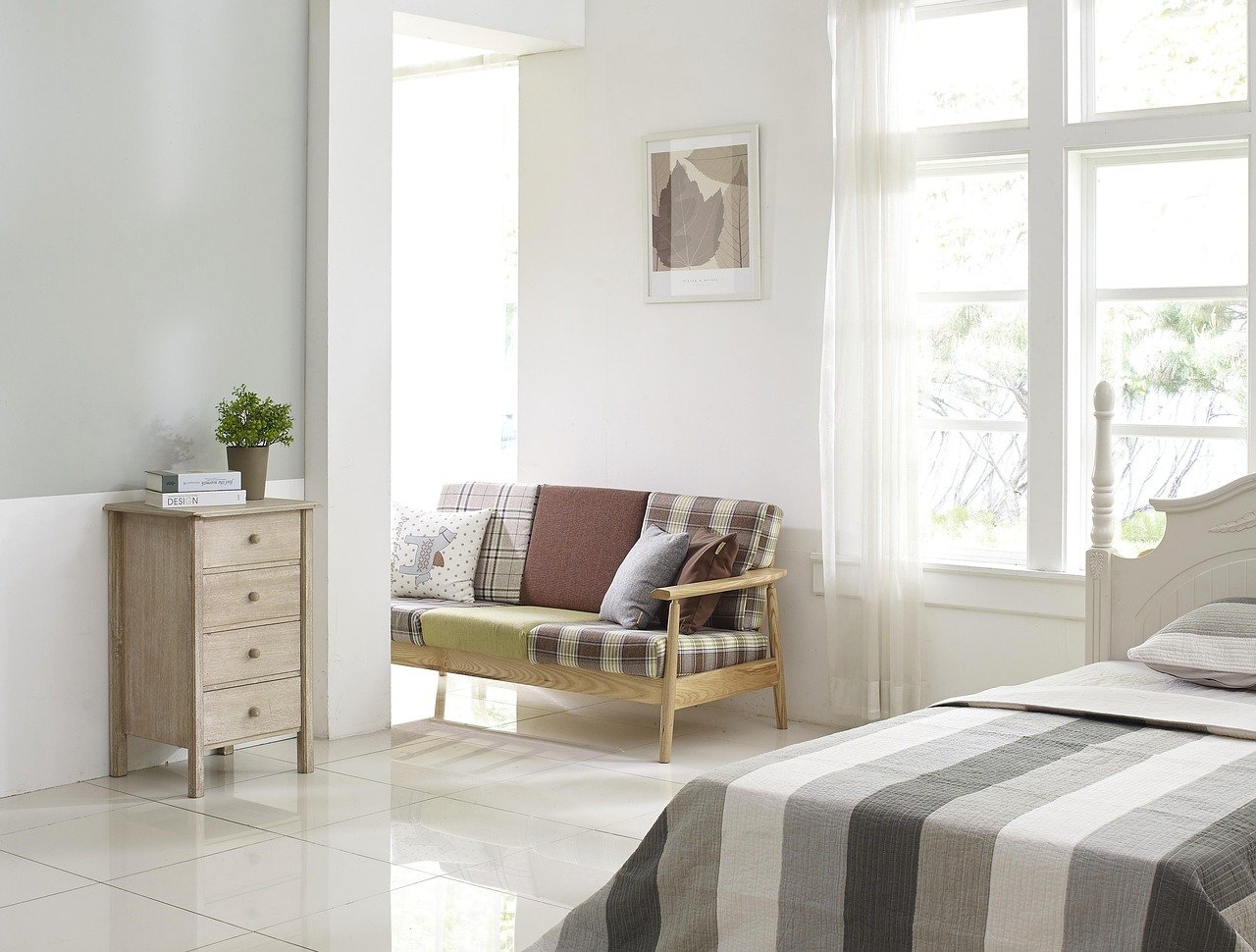
Ideal placement: centered against one wall, 2–3 feet from furniture, not blocked by curtains. For a bedroom, on the floor between the bed and the door — it sees the most air movement.
5. Run the math on filter replacement costs
Replacement HEPA filters cost $40–$120 every 6–12 months. Carbon pre-filters cost $20–$40 every 3–4 months.
Over 5 years, filter cost can exceed the purifier price. A $200 purifier with $80/year filters is $600 over 5 years. A $400 purifier with $120/year filters is $1,000.
Always check Amazon for filter availability at year 3, not just year 1. Brands that orphan their filter lines exist — and they cost you the entire purchase price.
6. Pick the model that matches your scenario
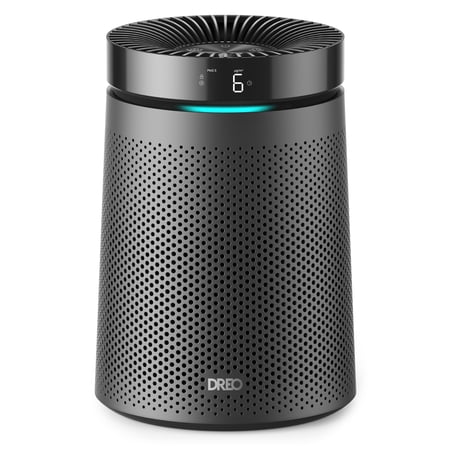
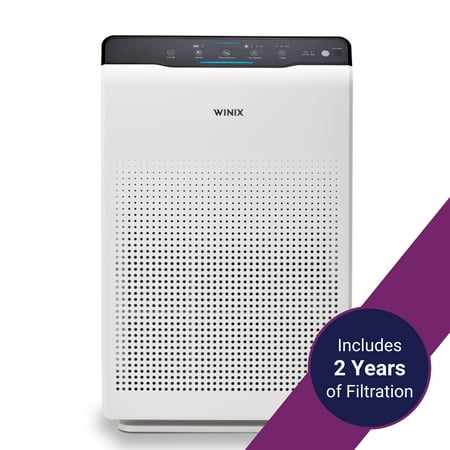
Now combine your numbers: required CADR, filter stages, and the placement plan. The remaining filter is: what does the live Amazon table show in your size and stage range, with the brand you’ll be able to source filters from in 5 years?
My personal short list: Coway Airmega for the value tier, Levoit for budget bedroom units, IQAir for premium whole-room, Molekule if you want VOC destruction (but the running cost is high).
7. Set a maintenance routine and stick to it
Vacuum the pre-filter every 2–3 weeks during pollen season — it doubles the HEPA filter’s life.
Replace filters on the schedule, not the indicator light (lights are often pessimistic). Set a calendar reminder.
Wipe the intake grilles monthly with a damp cloth. Dust collects there and reduces airflow.
Watch this before you buy
A short hands-on video covering the same picks and trade-offs we just walked through.
You can fix the air in your home
The biggest mistake people make is treating air purification as an off-the-shelf decision. It’s a sizing and placement problem first, and a brand decision second. Walk through these seven steps once, and you’ll buy a unit that genuinely changes how you sleep.
Live Amazon pricing above. Coway, Levoit, Blueair, and IQAir are the brands that keep their filter lines alive for 10+ years — the ones I’d actually recommend buying in 2026.
As an Amazon Associate, SmartBuy earns from qualifying purchases at no extra cost to you.





 Germany
  France
  Netherlands
  Canada
  United Kingdom
  United States
  Turkey
  Croatia
  Spain
Spain  Italy
Italy  India
India