

 admin
admin A guy ran a red light, t-boned my car, and then calmly told the cop I had the red. Forty seconds of dash cam footage saved me $4,000 — and that’s the only sales pitch a dash cam needs.
Every car should have a dash cam in 2026. The good ones are under $200, install in 20 minutes, and pay for themselves the first time you avoid a fraudulent claim. The 2026 generation finally includes 4K front + 1440p rear at midrange prices.
This guide ranks 2026 dash cams on the things insurance investigators care about: real 4K resolution (not interpolated), accurate GPS speed and location stamps, parking-mode recording that doesn’t drain your battery, and night-time footage that actually shows license plates under streetlight.
Our Top Picks
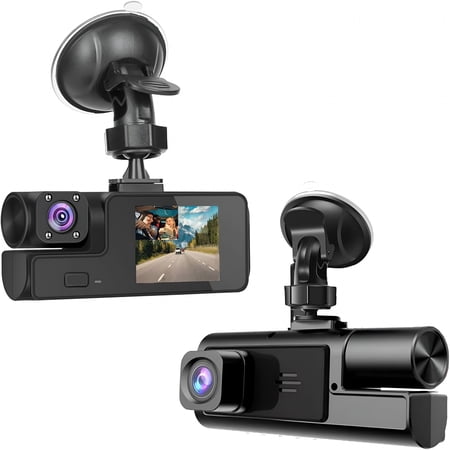





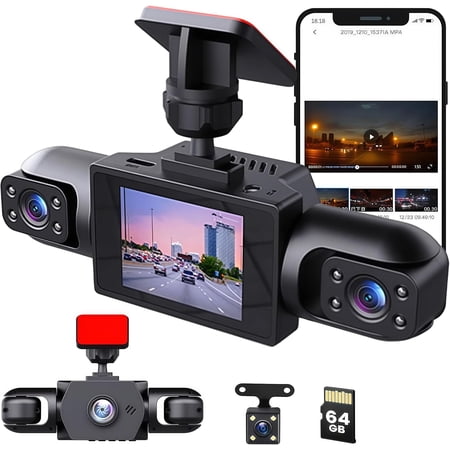

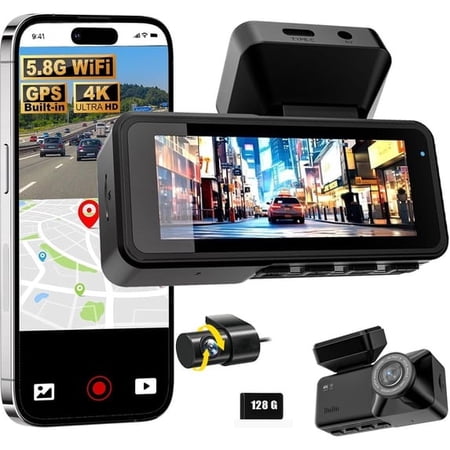
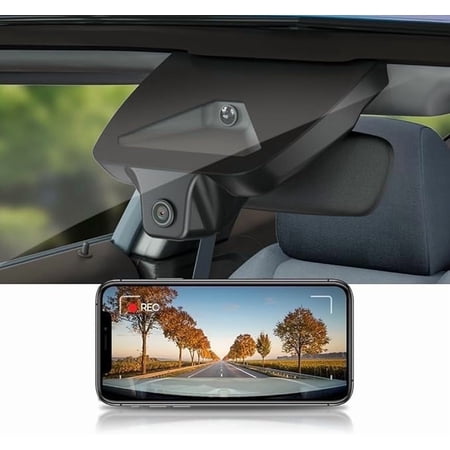

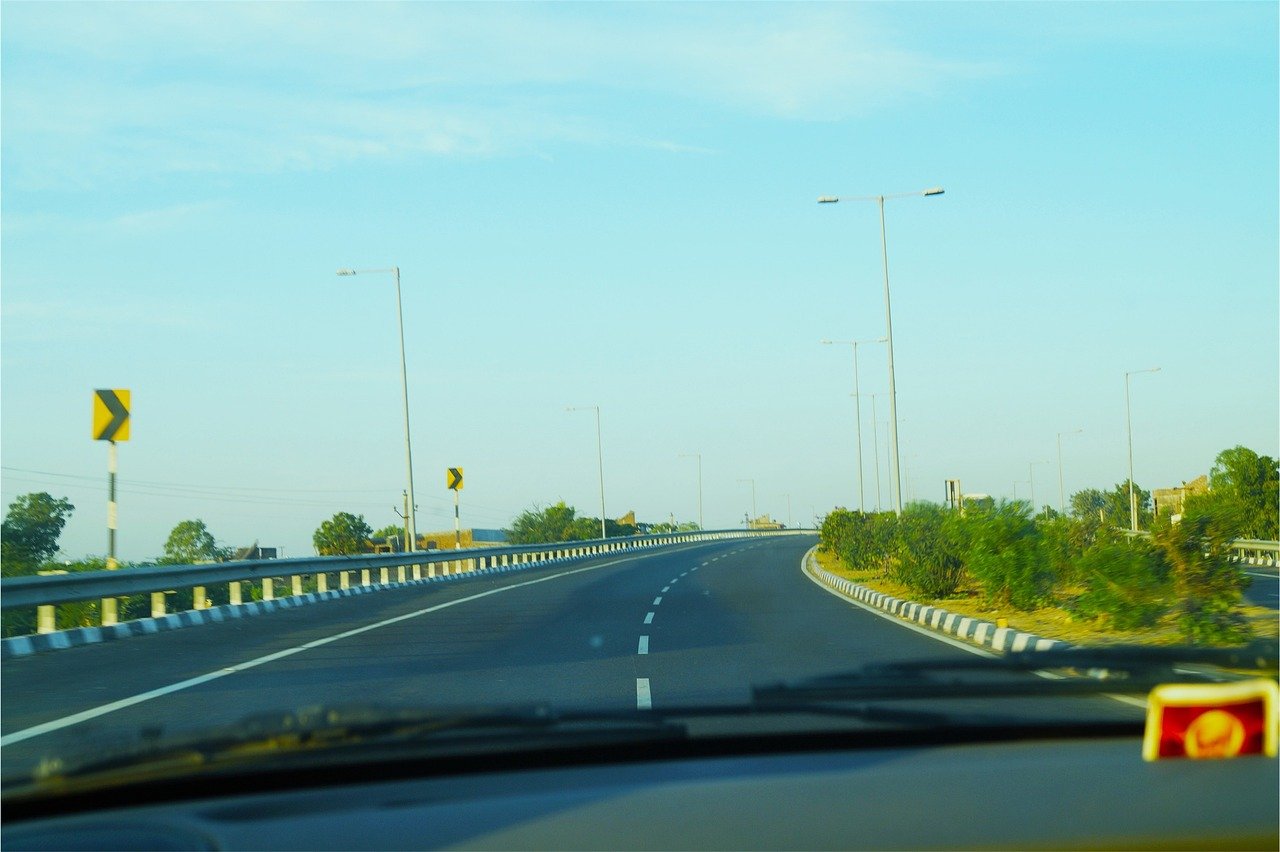
What I look for in this category
True 4K means 3840×2160 at 30fps on the front camera. Many “4K” cams are 1440p interpolated. Confirm the spec sheet: 8MP+ sensor, H.265 codec, 60Mbps+ bitrate. Anything less is marketing.
Sony STARVIS or STARVIS 2 sensor is the night-time differentiator. These low-light sensors capture license plates in conditions where cheaper cams record only headlight glare. The premium chip is worth $30–$60.
Hardwire kit + parking mode = real protection. 12V cigarette adapters only work while the car runs. A proper hardwire to your fuse box (with a voltage cutoff to protect the battery) lets the cam keep recording in motion-triggered parking mode for hours after you walk away.
Cloud storage is the new must-have. If someone steals your car, your local SD card goes with it. Cloud upload over Wi-Fi/4G means the footage lives off the car — worth the small monthly fee for high-theft areas.
Quick buying checklist
Look for
- True 4K on the front, 1440p+ on the rear
- Sony STARVIS 2 sensor for low light
- Hardwire kit included (or low-cost add-on)
- GPS speed and location stamping built in
- Parking-mode buffer with low-voltage cutoff
- Magnetic mount for easy removal at car wash
Watch out for
- Suction-cup mounts that fall in winter heat
- App-only configuration with mandatory account
- Memory cards not included (or undersized 32GB)
- No GPS — just date/time stamps
- “4K” that’s really 1440p upscaled
- Locked-in cloud subscription with no local backup option
Watch this before you buy
A short hands-on video covering the same picks and trade-offs we just walked through.
FAQ
Front+rear. Rear-end collisions are the most common claim and the easiest to fake — a rear cam protects you from staged-accident scams.
128GB minimum for 4K loop recording. 256GB if you also use parking mode. Use a high-endurance card rated for surveillance (SanDisk Max Endurance, Samsung Pro Endurance).
Loop recording overwrites the oldest unprotected clips. Impact-triggered clips lock to prevent overwrite. Plan to manually download anything you want to keep within 48 hours.
Not if the hardwire kit has a low-voltage cutoff (12.0V default). It pulls power until the threshold, then disconnects. Without that cutoff, yes — budget a $30 battery-protect module.
Federal law allows it. State laws vary on two-party consent. Easiest: disable audio recording in the settings if you’re unsure.
Look for “supercapacitor” (not lithium battery) in the spec sheet. Lithium swells and dies in hot climates; supercapacitor cams keep working at 70°C+ dashboard temperatures.
Final Thoughts
Pick a real 4K front+rear with a supercapacitor and a hardwire kit. Spend the extra $40 on the Sony STARVIS 2 sensor if you drive at night. Add a 128GB or 256GB high-endurance card and you’re done for three to five years.
Live Amazon pricing above. The brands worth your money: Viofo, Vantrue, Thinkware, BlackVue, Garmin. The brands to skip: anything sold under three or more rebranded names on the same Amazon page.
As an Amazon Associate, SmartBuy earns from qualifying purchases at no extra cost to you.




 Germany
  France
  Netherlands
  Canada
  United Kingdom
  United States
  Turkey
  Croatia
  Spain
Spain  Italy
Italy  India
India