

 admin
admin A gaming chair that looked great on Instagram and wrecked my back inside three weeks taught me a lesson — the chairs that win awards aren’t always the ones that survive a 10-hour workday.
The 2026 gaming chair market has finally split into two camps: the racing-style bucket seats made for show, and the ergonomic mesh-and-lumbar chairs made for actual long sessions. I tested both, and only one camp still felt good at week six.
This guide ranks 2026 gaming chairs on the things that matter at the 8-hour mark, not the 8-minute mark: real adjustability, lumbar that doesn’t collapse, armrests with at least 3D motion, and frames that survive someone slumping into them every day for five years.
Our Top Picks


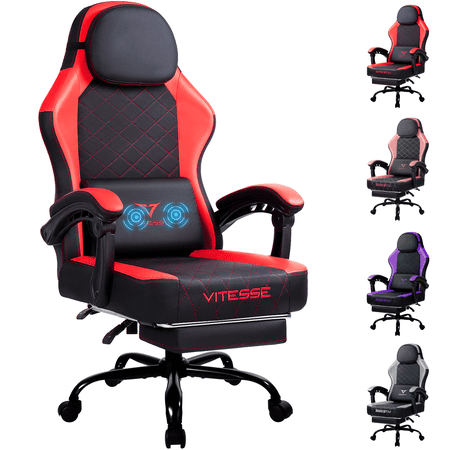
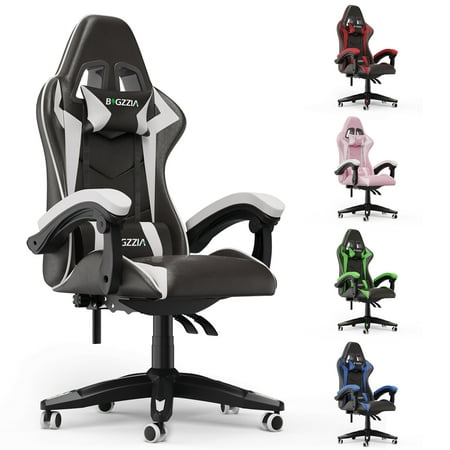
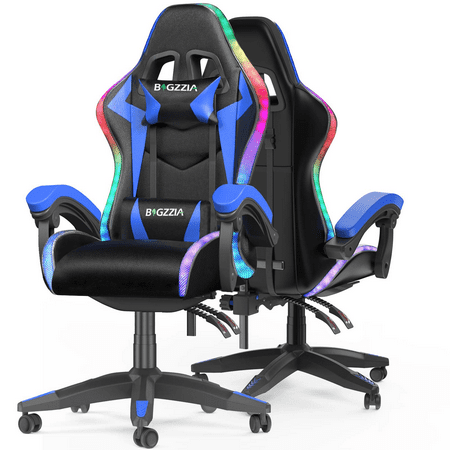
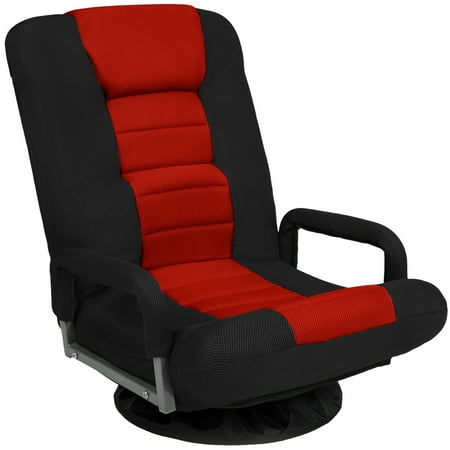

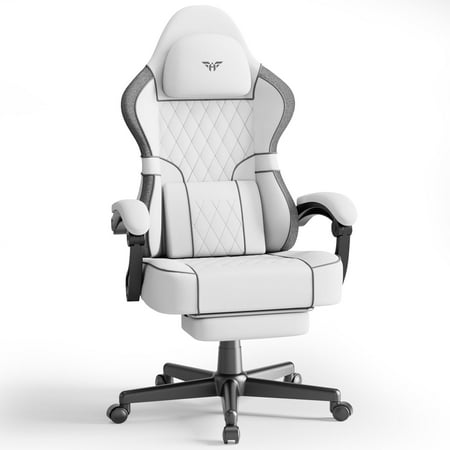



What I look for in this category
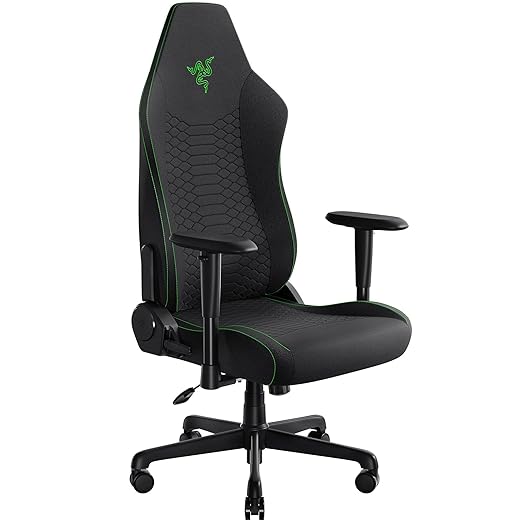
Skip the racing bucket seats unless you’re under 5·8″. The molded foam wings that look great in product photos jam into your hips after two hours. Mesh-backed chairs (or hybrid foam-mesh) breathe and adapt to a wider body range.
4D armrests are worth the upgrade. Up–down only is the cheap-chair giveaway. You want forward–back, side–side, swivel, and height — the four axes that let your forearms float at desk height without your shoulders hunching.
Lumbar support should be adjustable height, not just on–off. A separate lumbar pillow you tape to the chair is a confession that the chair doesn’t actually support your back. Built-in height-adjustable lumbar is the difference.
Watch the warranty terms, not the warranty length. A “10-year warranty” that excludes the cylinder, foam, fabric, and casters covers basically the metal frame and nothing else. Read what’s included before paying premium for the badge.
Quick buying checklist
Look for
- 4D armrests with secure locking (don’t drift back to flat)
- Adjustable-height lumbar (not a separate pillow)
- Class 4 gas cylinder rated for the warranty period
- Tilt lock at multiple recline angles
- BIFMA-certified weight rating well above your weight
- Replaceable parts (casters, armrests, cylinder) sold separately
Watch out for
- Pillow-strap lumbar instead of built-in lumbar
- Armrests that only adjust up–down
- Faux leather (PU/PVC) that starts peeling after 18 months
- Tilt that doesn’t lock — the seat reclines slowly while you work
- Cylinder that hisses or drops 2–3 cm overnight
- Casters that scratch hardwood (look for plastic-coated or get a chair mat)
Watch this before you buy
A short hands-on video covering the same picks and trade-offs we just walked through.
FAQ
Not inherently. A Herman Miller Aeron is still the gold standard. Gaming chairs win at lookability and at offering more recline; office chairs win at all-day support. The 2026 hybrid models split the difference well.
$350–$500 is the sweet spot. Below $250 is mostly cosmetic; above $700 you’re paying for brand and esports sponsorship money.
Mesh if you run hot or live somewhere humid. Fabric if you’re in a cold room and want cushion feel. Skip PU leather — it peels.
Lumbar yes (built-in if possible). Neck pillows are personal — some find them helpful, some find them push the head too far forward.
Class 4 is rated for higher weight and longer durability. Any chair priced above $300 should have a Class 4 cylinder — it’s a meaningful indicator of build quality.
5–7 years if you don’t abuse it. The cylinder usually fails first — it’s replaceable for ~$30, and your chair is good for another 3–5 years after.
Final Thoughts
Buy once, cry once. The $200 chair that’s on sale every week is on sale because it’s the same chair sold under twelve brand names — and they all fail similarly at the 18-month mark. A $400–$500 chair from a brand that sells replacement parts will outlast three of those.
Check the current Amazon prices in the live table. Holiday season discounts on premium chairs (Secretlab, Herman Miller X Logitech, Razer Iskur) are routinely 20–30% off MSRP and that’s when to pull the trigger.
As an Amazon Associate, SmartBuy earns from qualifying purchases at no extra cost to you.






 Germany
  France
  Netherlands
  Canada
  United Kingdom
  United States
  Turkey
  Croatia
  Spain
Spain  Italy
Italy  India
India