
 admin
admin My dentist said it once and I never forgot it: “Any electric toothbrush beats any manual one. After that, it’s mostly marketing.” — but the small differences between sonic and oscillating brushes turned out to matter way more than I expected.
Sonic and oscillating brushes use fundamentally different cleaning mechanisms. Sonics vibrate to drive toothpaste fluid between teeth; oscillating-rotating heads physically scrub each tooth. Both work — but on different mouths and habits.
This guide walks through the genuine differences between the two technologies, the features that are worth paying for in 2026 (and the features that are just marketing), and how to match a brush to your specific mouth — gum recession, braces, sensitive teeth, kids.
Our Top Picks
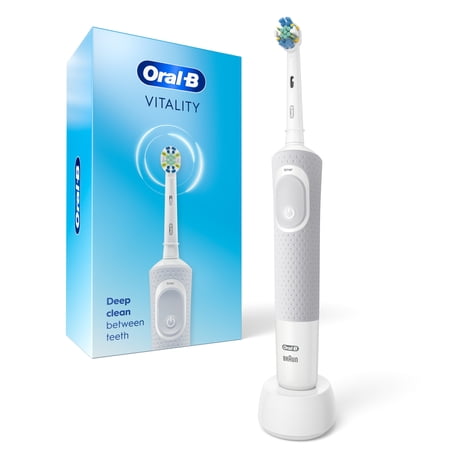
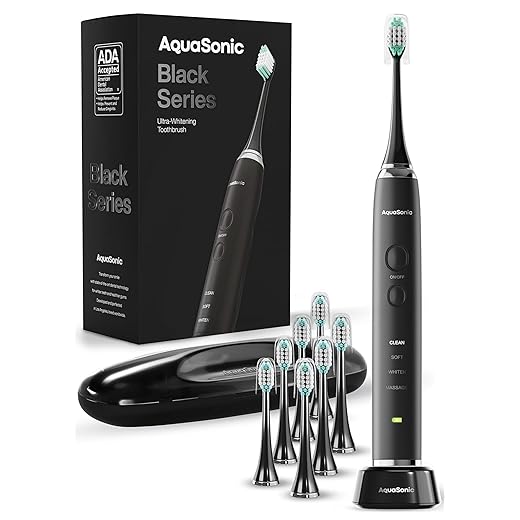


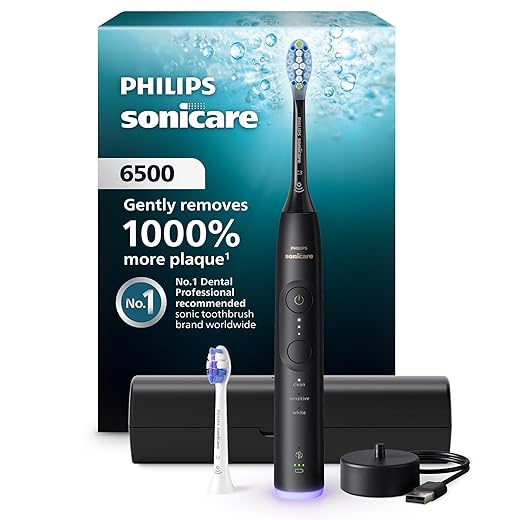
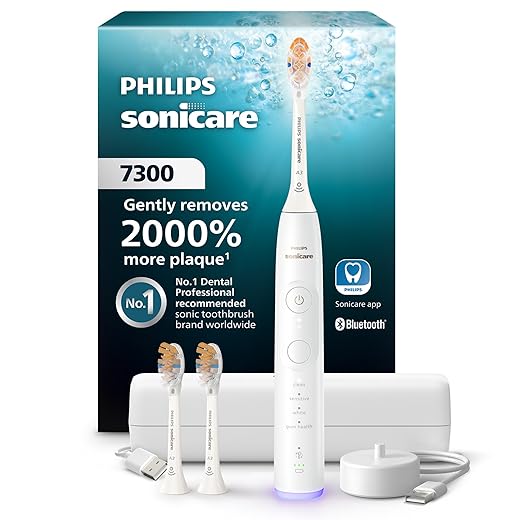


Sonic vs oscillating-rotating: the actual mechanical difference
Both technologies clear plaque better than any manual brush — but they get there differently, and which one suits you depends on your habits and mouth.
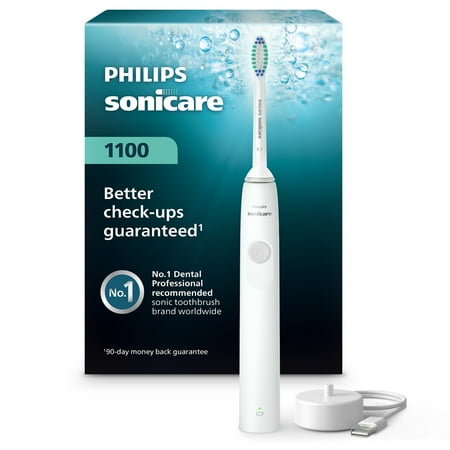
How sonic brushes (Philips Sonicare) clean
Sonic brushes vibrate at 31,000+ strokes per minute. The bristles do reach individual teeth, but most of the cleaning comes from the toothpaste foam being driven into gaps between teeth and along the gum line — a fluid-dynamic effect, not direct mechanical contact.
That fluid action is especially good for people with gum recession or sensitive teeth, because the bristles never need to press hard.
How oscillating-rotating brushes (Oral-B) clean
Round Oral-B heads spin 3D-style — a combination of rotation, oscillation, and pulsation — to physically scrub each tooth surface one at a time. You move the brush from tooth to tooth and hold each one for 1–2 seconds.
This works extremely well on plaque and surface staining, and the round head reaches awkward spots like behind upper molars more reliably than a straight brush head.
Which actually works better?
Independent dental research from 2024–2026 consistently rates both technologies as effective, with marginal differences. The bigger variable is brushing technique and consistency. The brush you’ll actually use twice a day is the one that’s better.
Features worth paying for in 2026
The premium tier is mostly about adding sensors and modes. Some of those sensors genuinely improve results; others are gimmicks. Here’s the honest breakdown.
Pressure sensor (worth it)
Pressure sensors stop you from brushing too hard, which is the leading cause of gum recession. If you’re over 35 or you grind your teeth, this single feature is worth the upgrade.
Multiple cleaning modes (mostly worth it)
Sensitive, Whitening, Gum Care, and Tongue modes use different vibration patterns. The Sensitive mode genuinely helps with cold sensitivity; the others are marginal but harmless.
Bluetooth + app (skip)
The companion apps tell you you’ve brushed for two minutes — which the built-in timer already does. The “coverage mapping” most apps offer is approximate at best, and the apps are battery drains on your phone.
Travel case (worth it)
Especially for the inductive-charging models — the case doubles as a charger via USB-C, which means you don’t pack a separate cable.
Matching a brush to your specific mouth
Sensitive teeth or gum recession
Sonic is the safer pick. The fluid action cleans without bristle pressure. Look for soft-bristle heads and a Sensitive mode.
Heavy coffee/tea/wine drinker
Oscillating-rotating wins for surface stain removal. The 3D head physically scrubs stains in a way sonic vibration doesn’t replicate.
Braces or orthodontic work
Either works, but specialized orthodontic brush heads (V-shaped bristles) help both technologies clean around brackets. Buy those separately.
Kids
Small head, lower vibration intensity, and — honestly — a fun design that the kid will actually pick up. Battery-powered kid versions are fine; the rechargeable kid models are nicer but not necessary.
Brush head replacement and total cost of ownership
The brush is the cheap part. The heads are the long-term cost.
Replacement schedule
Every 3 months for both technologies. The reminder ring on most brush heads fades — trust your calendar.
Genuine vs third-party heads
Genuine heads are 3–4x the price of third-party. Third-party heads from reputable brands (Greenkey, Philitop) work fine; sketchy bargain heads can be loose-fitting or have inferior bristle quality.
The actual 5-year cost
A $150 brush + 20 heads at $6 each = $270 over 5 years. A $250 premium brush + genuine heads = $550 over 5 years. The upgrade should be justified by features, not by the brush itself lasting longer.
Where to actually save money
Premium electric brushes from 2 years ago are virtually identical to this year’s flagship at half the price.
Buy the last-generation flagship
Sonicare DiamondClean 9300 vs 9500: same head technology, same brushing modes, just a different shell color and an app feature you won’t use. The price gap is often $80.
Subscribe-and-save for heads
Amazon’s subscribe-and-save on replacement heads gives 5–15% off plus reminds you when 3 months pass. Set it once and forget it.
Watch this before you buy
A short hands-on video covering the same picks and trade-offs we just walked through.
Pick one and start — the brushing matters more than the brand
Don’t overthink it. Sonic or oscillating, $100 or $250, the brush you’ll actually use twice a day for 5 years beats the perfect brush you’ll leave in the drawer. Check the live Amazon table above for current discounts on Philips Sonicare and Oral-B models — holiday sales reliably hit 30–40% off.
As an Amazon Associate, SmartBuy earns from qualifying purchases at no extra cost to you.





 Germany
  France
  Netherlands
  Canada
  United Kingdom
  United States
  Turkey
  Croatia
  Spain
Spain  Italy
Italy  India
India