
 admin
admin Why I Care About Loot — And Why You Should Too
I’ve been drawn to loot-driven action RPGs for years because the promise of one more drop taps into something deeply rewarding. A deep loot system, to me, means layered choices: rarity, affixes, and meaningful trade-offs that let skill and chance both shine. I love studying how those parts fit together.
This article will decode how randomness, item design, and player flow combine to make loot compelling. I’ll share clear ideas you can use to judge games or level up your own play. My goal is simple: make you excited to look at loot the same way I do — curious, strategic, and a little greedy.
Let’s get digging together now.


Top 25 Isometric ARPGs You Must Play: Loot-Based & Essential
Why Loot Matters: Psychology, Motivation, and Design
The hooks beneath the pixels
Loot isn’t just numbers — it’s a psychological engine. Variable rewards (think slot machines but with gear) create compulsion loops; clear upgrades give goal clarity; and build-defining items let players craft identity. I’ve seen this firsthand: a surprise legendary that shifts how I play grips me far longer than a long, flat XP grind.
Core principles I use when judging a system
When I evaluate loot, I look for four practical qualities:
Real-world signals (quick examples)
Diablo II’s runewords gave players emergent goals beyond rarity; Path of Exile’s skill-gem and mod synergies create space for experiment-driven identity. Those systems reward exploration as much as grinding—every drop can change playstyle, not just numbers.
How I turn these ideas into action (what I check in 60 seconds)
These checks let me separate shallow loot (repetitive + tiny upgrades) from systems that make each drop feel like a possibility. Up next, I’ll dig into the math and transparency of RNG — because understanding chance changes how you chase those possibilities.
Understanding RNG: Probabilities, Transparency, and Fairness
What RNG actually means for loot
When I say “RNG” I mean the underlying chance rules that decide whether you get a sword, a scrap, or a game-changing ring. In practice this is just basic probability: each enemy, chest, or boss has a set of outcomes with chances attached (drop rates). Those simple percentages shape how often you feel rewarded — and how quickly you can test new builds.
Odds stacking, pity, and soft pity
Two common patterns matter in design: independent rolls (each kill is a fresh chance) and odds that change over time. “Odds stacking” is when repeated failures don’t change your chance; “pity” systems increase odds or guarantee a reward after X attempts. Genshin’s hard pity is a clear example; many ARPGs use soft pity to nudge variance without removing surprise. Knowing which model a game uses changes how I play: independent rolls favour burst grinding; pity systems let me plan long-term.
Transparency and player feedback
Showing exact drop rates, progress-to-pity counters, or even simple loot logs dramatically alters perception. I trust systems that give feedback: a counter that ticks toward pity, a tooltip saying “1% drop rate,” or a clear boss-specific loot table. When information is hidden, players invent conspiracy theories — which ruins fun fast.
Heuristics I use to judge whether RNG feels fair
These quick checks tell me whether randomness is a feature that excites me or a frustration that eats my time.
Item Architecture: Rarity, Affixes, and Build-Defining Choices
I break items down the way a jeweler inspects a gem: cut (tier), clarity (affix quality), and setting (how it fits a build). Good item architecture doesn’t just add numbers — it creates distinct choices that feel exciting to pick up, try, and master.
Tiers and power curves
Tiers give you predictable steps of progression: common -> magic -> rare -> unique. What matters is the spacing between tiers. A weak “unique” that’s only +5% feels worthless; an overpowered unique breaks balance. I judge tiers by whether each step opens new options or just inflates damage numbers. In one ARPG I played, rares let me explore different roles, while legendaries rewired how the class played — that’s the sweet spot.
Modular affixes and meaningful diversity
Affixes are the palette. I want modular, composable bonuses that let me craft a theme: tanky survivability, glass cannon burst, or utility/support. Useful patterns:
When I evaluate depth I use three rules:
Uniques and build-defining choices
The best uniques rewrite constraints: they let you play differently (turning mana into damage, redirecting resources, or enabling a new attack pattern). I test them by asking: does this pair with common skills, or does it demand niche support? If an item forces me to rethink my skill tree or equipment choices in interesting ways, it’s design gold.
Loot Flow and Reward Pacing: How Systems Keep Me Hooked
Nearness of reward: small wins vs. long arcs
I’m sensitive to how soon a system rewards me. Small, frequent wins (a modest affix, a consumable, a cosmetic) keep short sessions satisfying; big, rare wins (a build-changing unique) give long-term goals. I prefer mixes where every 10–20 minutes I get something noticeable, and every few hours I earn a meaningful upgrade that shifts play.
Gating strategies that shape momentum
Gates aren’t just walls — they create peaks. Useful gates I watch for:
Well-designed gates feel like checkpoints, not punishments. I dislike arbitrary time locks or opaque requirements that interrupt flow.
Meta-systems: seasons, milestones, and resets
Seasons and milestones reset ambition and provide new trajectories. What works:
These systems sustain me across months, especially when they present novel mechanics or targeted challenges.
Pacing patterns that worked for me
Warning signs of bad pacing
Next, I’ll look at how systems like crafting, trading, and player interaction actually deepen these flows and make loot feel personally valuable.
Mechanics That Deepen Loot: Crafting, Trading, and Player Interaction
Crafting and reliable progression
I love crafting because it turns luck into agency. Games like Path of Exile and Diablo II show two useful patterns: permit deterministic upgrades (socketing a gem, upgrading tier) alongside probabilistic re-rolls (fossils, enchant catalysts). When I want a specific stat, I follow a simple loop:
Tip: prioritize systems that let you “lock in” good affixes before gambling on the rest.
Trading and market dynamics
Player-to-player markets convert surplus into targeted buys. I’ve used Warframe’s trade chat and Elder Scrolls Online guild stores to efficiently turn junk into currency. Good markets need:
For players: monitor buy orders, set price alerts, and trade components rather than finished pieces to arbitrage.
Meta-progression: trees, enchantments, and permanence
Skill trees and enchant systems make loot meaningful beyond raw numbers. I treat enchantments like long-term goals: they’re the sticky upgrades that justify grinding. Practical approach:
Design tip: allow respec or rebuild paths so experimenting with loot exaggerates fun rather than punishment.
Social systems and emergent stories
Shared goals—guild loot runs, market-driven metas, community crafting projects—turn drops into narratives. I once coordinated a guild to craft a raid weapon: the teamwork to collect rare mats made the eventual drop feel earned and legendary. Encourage communication tools (market listings, group finders) and you get a living economy that keeps players invested.
Best Action-RPGs with Deep Loot Systems and What I Learned
I survey a few action-RPGs that taught me concrete lessons about loot design. For each I call out the standout innovation and a quick pattern you can look for as a player or designer.
Diablo II / III — Classic reward spikes
Why it hooked me: staggering rarity tiers and “that one drop” moments.
Lesson: mix long tails with occasional spectacular rewards so runs feel meaningful.
Design pattern: high variance + clear item hierarchy.
Path of Exile — Layered complexity and player agency
Why it hooked me: deterministic crafting steps layered with risky re-roll systems and seasonal labs.
Lesson: give players tools to convert RNG into strategy (crafting recipes, currency sinks).
Design pattern: afford predictable pathways inside chaotic loot.

Borderlands (series) — Procedural variety tied to immediate fun
Why it hooked me: millions of weapon permutations make every chest a tiny experiment.
Lesson: make iteration fun—inspect, shoot, discard. Short feedback loops keep curiosity high.
Design pattern: procedural generation with readable trade-offs (rate of fire vs. damage).
Monster Hunter / Dauntless — Materials-first progression
Why it hooked me: fights yield components, not finished gear—you choose what to craft next.
Lesson: separating drops from finished items lets players make meaningful choices.
Design pattern: resource-to-gear loop that prioritizes decision-making over pure luck.
Warframe — Modular, time-gated progression and trading
Why it hooked me: blueprints, components, and a player market create multiple economies of effort.
Lesson: diversify acquisition channels (drops, crafting, trade) so different player types feel rewarded.
Design pattern: parallel progression tracks with social exchange.
Patterns to steal as a player or designer:
With these concrete examples in my toolkit, I approach loot not as mystery alone but as a set of recognizable design moves that guide both play and creation.
Putting It All Together: How I Decode Loot Now
I end with a compact checklist I use: clarity of RNG, meaningful rarities, affixes that change play, strong reward pacing, craft/trade depth, and player agency. When most boxes check, I feel rewarded rather than cheated.
I encourage you to test systems with curiosity: track drops, test builds, and trade or craft intentionally. Great loot balances randomness with real choices. Play with an eye for systems that empower creative solutions, and you’ll find the moments that keep me—and maybe you—coming back. Share what you find; I love swapping loot stories daily.






 Germany
  France
  Netherlands
  Canada
  United Kingdom
  United States
  Turkey
  Croatia
  Spain
Spain  Italy
Italy  India
India
Love the ‘flow’ angle. Loot pacing is basically what keeps me playing a single-player RPG longer than its story should. The examples tying reward frequency to player emotion were on point.
Also tiny nit: you mentioned ‘affixes’ but didn’t give an example of a build-defining affix in action — would love a short case study next time 🙂
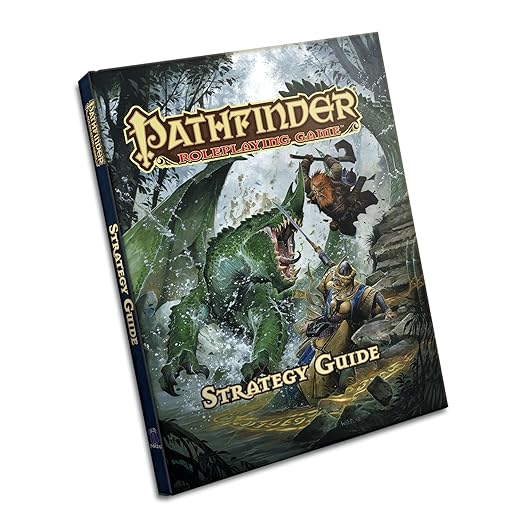
Good suggestion — next article will include a case study on a specific affix that shifts builds (maybe using an example from pathfinder mechanics). Thanks!
Valkyrie builds in some ARPGs hinge on a single affix. A concrete example would be awesome.
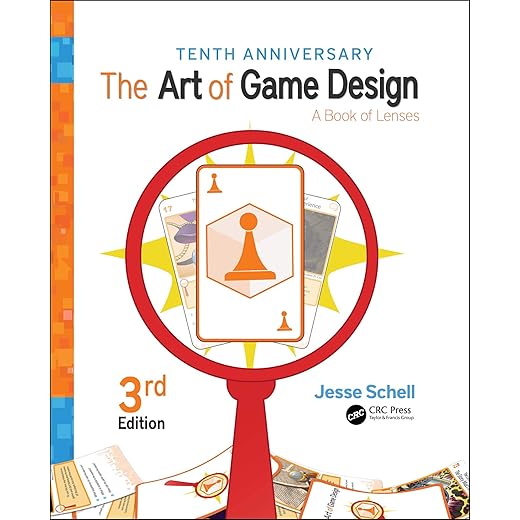
This article made me go buy ‘The Art of Game Design: Book of Lenses’ — thanks for the recommendation! Quick anecdote: I used the lens about ‘player emotion’ when designing a small tabletop module and it fixed pacing issues I had been banging my head against. Also, dice pic pls? jk 😂
Same! That book changed how I approach encounters. Worth every penny.
Love hearing that! The Book of Lenses is a staple for a reason. Happy your tabletop module improved — small playtesting tweaks are powerful.
Nice read. Two things I wanted to add:
1) Item architecture should consider player time investment — rare affixes that are only meaningful at endgame are wasted on casuals.
2) Crafting systems need to avoid turning loot into work. The article’s examples from Final Fantasy XII and Pathfinder made sense here.
Great points — balancing longevity and accessibility is key. We tried to highlight that with the reward pacing section.
Agreed on crafting. If it becomes a full-time job, I opt out. Simpler upgrade paths keep me engaged.