

 admin
admin Which campaign ate my free time — and why I don’t regret it?
I played ten strategy games until my coffee went cold. Some demanded split-second decisions. Some wanted patient, long-term planning. I laughed, I rage-quit, and I kept coming back.
I focused on depth, replayability, and how each game makes choices feel meaningful. Below I share the two standouts I kept returning to and exactly why they deserve your next session.
Our Top Picks





StarCraft II Wings of Liberty Classic RTS
I found the game’s tight balance, iconic factions, and competitive multiplayer to be outstanding—StarCraft II remains a benchmark for RTS design. The single-player campaign also offers strong narrative and mission variety.
Overview
StarCraft II: Wings of Liberty set a high bar for real-time strategy—its responsiveness, unit balance, and three distinct factions make each match a deep mental duel. I enjoyed both the campaign’s narrative and the intense multiplayer matches.
Strengths I noticed
The campaign is engaging and allows choices that change mission order and tech decisions. Multiplayer is where the game shines: it rewards practice, micro-management, and strategic foresight.
Notes for new players
Final thoughts
If you want the essence of competitive RTS at its best, this remains essential. I still find it satisfying for both one-off matches and long-term competitive progression.
Civilization VI Deep 4X Turn-Based Strategy
I found it to be the most satisfying deep 4X on PC for methodical players who enjoy empire building and layered systems. The expansions and mods extend play for hundreds of hours without feeling repetitive.
Overview
I love how Civilization VI turns the sweep of history into a series of meaningful decisions. It’s a turn-based 4X where expansion, science, culture, and diplomacy all compete for your attention; each victory path feels distinct and rewarding.
Key features and what stood out to me
I appreciated how the game nudges you toward different strategies depending on your chosen civilization and map. Small choices—district placement, plan for culture or science—ripple across decades of play and create memorable emergent moments.
Benefits, limitations, and practical tips
Final take
I think Civilization VI is a must-have if you enjoy slow-burn, highly strategic games where planning and adaptation matter. It rewards patience and scale, and with expansions it remains one of the richest strategy experiences on PC.
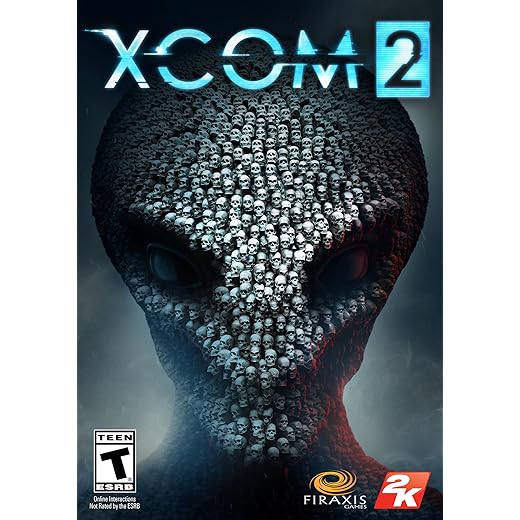
XCOM 2 Tactical Turn-Based Reboot
I found XCOM 2 to be the pinnacle of tense, high-stakes tactical combat with satisfying squad progression and customization. The variety of mission types and unpredictable enemy behavior kept me on edge and engaged every deployment.
Overview
XCOM 2 refines the class-based, turn-based tactical combat that made the series famous. I appreciated the sense of vulnerability—every mission can go sideways—and the meaningful progression of my soldiers kept me emotionally invested.
Key gameplay features
On the battlefield, concealment, positioning, and cover mechanics matter more than raw firepower. I often saved or lost campaigns based on one critical decision to flank or hold position. The tension is addictive.
Practical considerations
Verdict
If you want a tactical strategy game that punishes mistakes and rewards planning, XCOM 2 is among the best. I still replay it to experiment with different squad builds and mission tactics.
Crusader Kings III Grand Dynasty Simulator
I found this the most compelling dynasty simulator in grand strategy gaming—politics, intrigue, and character-driven stories create surprising emergent drama. The depth of roleplaying systems combined with strategic statecraft kept me invested across multiple campaigns.
Overview
Crusader Kings III blends grand strategy with personal drama in a way few games do. I enjoyed playing not merely to expand borders but to manage marriages, heirs, plots, and reputations—every ruler is a character with motivations.
Core strengths
In practice, I often spent as much time arranging marriage alliances and manipulating court politics as I did on military campaigns. That interplay of micro (individual characters) and macro (realm institutions) makes each campaign uniquely memorable.
Practical notes and caveats
Final take
For players who relish long-term planning and human drama inside a strategic sandbox, this is one of the deepest and most replayable grand strategy games available. I keep returning to it for new dynastic stories.
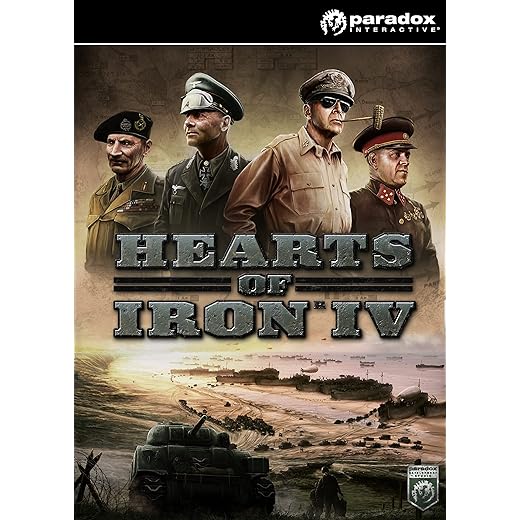
Hearts of Iron IV Grand WWII Strategy
I found Hearts of Iron IV to be a compelling sandbox for alternate WWII histories, with deep production, research, and operational systems. It rewards long campaigns and strategic planning, though it takes time to master.
Overview
Hearts of Iron IV simulates the global scale of World War II with a focus on production, logistics, and grand operational planning. I enjoyed the freedom to pursue historical or wildly alternate strategies—every campaign felt like a different puzzle.
What stood out to me
I often spent early turns juggling industry and research priorities before committing to a naval or armored doctrine. Planning supply lines and production queues became as critical as battlefield tactics, which adds satisfying depth.
Practical advice and limitations
Final verdict
For players who want a deep, historically grounded grand strategy experience focused on war economics and operational planning, Hearts of Iron IV is hard to beat. I’ve returned to it many times to try different approaches and alternate outcomes.
Stellaris Galaxy Edition Grand Space Strategy
I loved Stellaris for its emergent storytelling, rich empire customization, and grand-scale diplomacy. The Galaxy Edition bundles extra cosmetics and content that enhance immersion and extend replayability.
Overview
I find Stellaris to be a standout grand strategy set in space—its procedural systems create situations I hadn’t anticipated, and empire customization lets me tell unique stories each campaign. The Galaxy Edition includes extras that amplify the experience.
What impressed me most
Playing Stellaris felt like running a civilization with the unpredictability of first contact and alien politics. I noted emergent arcs—an isolated research station evolving into a major crisis—that made each run memorable.
Limitations and recommendations
Closing thoughts
If you enjoy exploration, empire customization, and unpredictable diplomacy on a galactic scale, Stellaris is an excellent choice. The Galaxy Edition is a solid package for players who want bonus content and a fuller experience.
Age of Empires IV Anniversary Edition
I found Age of Empires IV Anniversary to be a strong modern RTS that balances accessible mechanics with historical flavor. The Anniversary content adds good value—new civs, maps, and quality-of-life updates that freshen the core game.
Overview
I enjoyed Age of Empires IV for its crisp RTS fundamentals and approachable learning curve. The Anniversary Edition bundles additional civilizations, maps, and seasonal updates that extend the base game’s lifespan and variety.
What it offers
In play, I liked how the civ-specific mechanics invited different strategies: one game might favor aggressive feudal tactics, another deep economic play to unlock late-game power. The level of polish in unit animations and UI improvements makes micromanagement less tedious than in older RTS titles.
Practical considerations and limitations
Verdict
If you want a modern RTS with historical flavor, strong multiplayer, and continuing post-launch content, this edition is a great pick. It’s a balance of nostalgia and contemporary design that I found consistently enjoyable.
Company of Heroes 2 Brutal Eastern Front RTS
I appreciated the gritty Eastern Front focus and tactical depth, especially the TrueSight and dynamic battle systems. It’s a strong RTS, though some feel it lacks content compared to the original and has DLC-driven features.
Overview
Company of Heroes 2 focuses on visceral, tactical WWII combat on the Eastern Front. I was impressed by its environmental systems—snow, cover, and sightlines significantly affect how I approached engagements.
Gameplay highlights
My experience often hinged on using terrain and weather to my advantage: an ambush in snow or a well-timed artillery strike could swing a battle more than sheer unit numbers. The single-player campaign is shorter than some expect, but multiplayer extends longevity.
Considerations
Conclusion
Company of Heroes 2 remains one of the more tactically satisfying WWII RTS titles. If you enjoy tense engagements and environmental tactics, it’s well worth exploring—just be mindful of additional DLC costs if you want a complete collection.
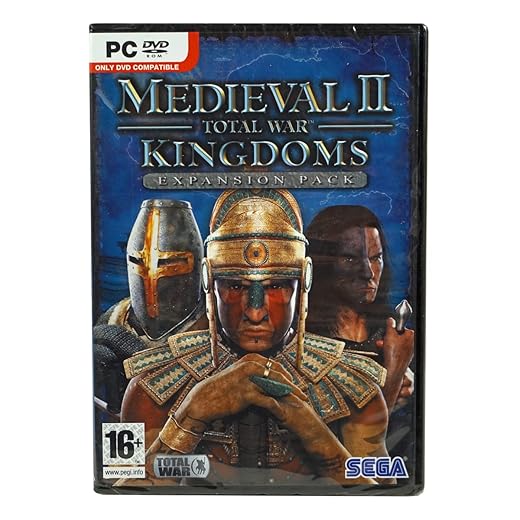
Medieval II Total War Kingdoms Expansion
I found Kingdoms to be a content-rich expansion that revitalizes Medieval II with new campaigns and factions. It feels like a collection of lovingly made large mods rather than a full overhaul, which for me was exactly the appeal.
Overview
I regard Kingdoms as one of the most content-heavy expansions for Medieval II: Total War. It opens up new theaters—from the British Isles to the New World—and extends the base game’s lifespan significantly with dozens of additional units and playable factions.
Highlights
Playing through these campaigns felt like exploring community-made mods with polish; each theater has its own strategic flavor and challenges. I appreciated the added historical variety—fighting as Aztecs or Teutonic orders changes the tactical rhythm dramatically.
Limitations and tips
Verdict
If you’re a fan of the Medieval Total War era and want substantially more content, Kingdoms is a worthwhile purchase. It extends campaign variety and gives you many more hours of strategic conquest.
Total War: Warhammer II Gore DLC Pack
I view this pack primarily as a visual and tonal add-on for players who want bloodier battles. It doesn’t change core mechanics but enhances immersion for fans of darker Warhammer aesthetics.
Overview
I see this DLC as a cosmetic flavor pack for Total War: WARHAMMER II that emphasizes the franchise’s grim, visceral side. It’s targeted at players who want more graphic battlefield feedback and a mature presentation.
What it includes
Because it’s largely aesthetic, my experience was simple: turn it on if you want a more brutal-looking campaign and turn it off if you prefer a cleaner visual experience. It’s inexpensive and installs quickly.
Who should buy it
Final thoughts
If you enjoy the Warhammer universe and want your battles to look and feel grimmer, this pack delivers exactly that. Don’t expect gameplay changes, but for the right player it adds satisfying visual punch to each engagement.
Final Thoughts
I recommend StarCraft II: Wings of Liberty as my top pick if you want fast, razor-sharp strategy that rewards skill and practice. Strengths: legendary balance, iconic factions, and a competitive multiplayer scene that still hums. Ideal use case: ladder matches, short intense sessions, or practicing micro and macro under pressure. If you want a game that refines your tactical reflexes and keeps each match thrilling, this is the one I’d load first.
For long-term campaigns and slow-burn satisfaction, pick Civilization VI: Deep 4X. Strengths: deep empire building, layered systems, and massive replay value thanks to expansions and mods. Ideal use case: multi-hour campaigns, sandbox empire experiments, and players who enjoy planning decades of in-game history. If you want a marathon of decisions where every tech and city placement matters, this is the game I kept returning to.
Honorable mention: XCOM 2 — pick it when you crave tense, high-stakes tactical missions and deep squad progression. It’s my go-to when I want adrenaline in measured, brutal turns.





 Germany
  France
  Netherlands
  Canada
  United Kingdom
  United States
  Turkey
  Croatia
  Spain
Spain  Italy
Italy  India
India
Hearts of Iron IV looks tempting but honestly kind of intimidating. The review calls it deep and rewarding, but how long did it take users to feel comfortable running a whole front?
Are there condensed tutorial mods or beginner campaigns that make WW2 strategy doable for casual players? I don’t want to spend 50 hours just to get the hang of production queues haha.
Start as Italy or Germany if you want to learn fast, but they can be overwhelming. Portugal or Hungary are chill starter countries. Also, keep production templates simple: more infantry, fewer templates to manage.
HoI4’s complexity is real. Try the ‘Road to War’ scenario or smaller countries (like Romania) to learn production and army templates slowly. The ‘Expert AI’ and ‘Toolbox’ mods can help and there are good tutorial series by MarcoStyle and Quill18.